

The Value of Petrified Wood: Is It a Good Investment Piece?
Understanding Petrified Wood: Nature’s Work of Art
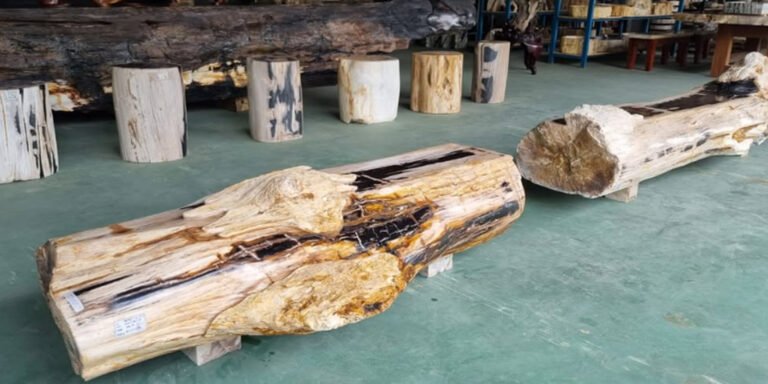
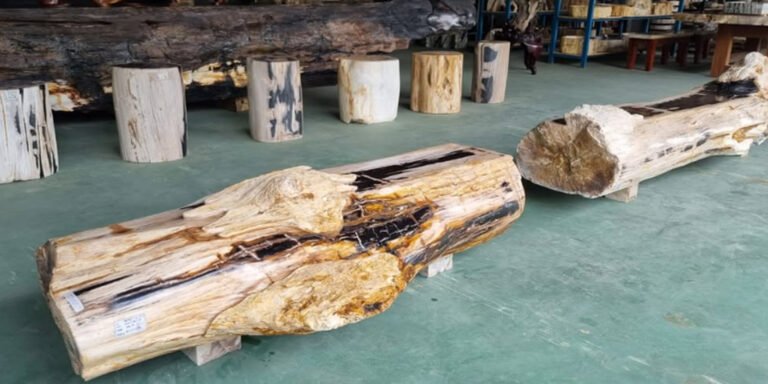
Petrified wood, also known as fossilized wood, is a unique natural wonder created when ancient trees undergo a process of permineralization. Over millions of years, minerals replace the organic materials in the wood, turning it into stone while retaining the original wood grain and structure. Each piece tells a story of geological transformation and stands as a testament to the beauty and power of nature.
Petrified Wood from Indonesia: What Sets It Apart?
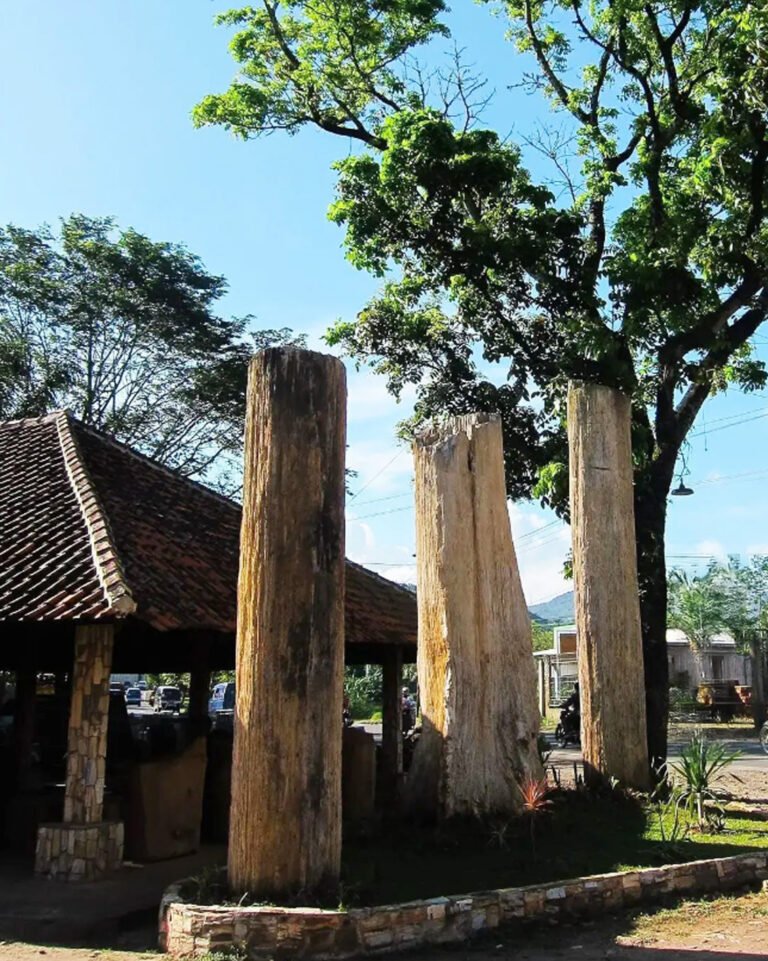
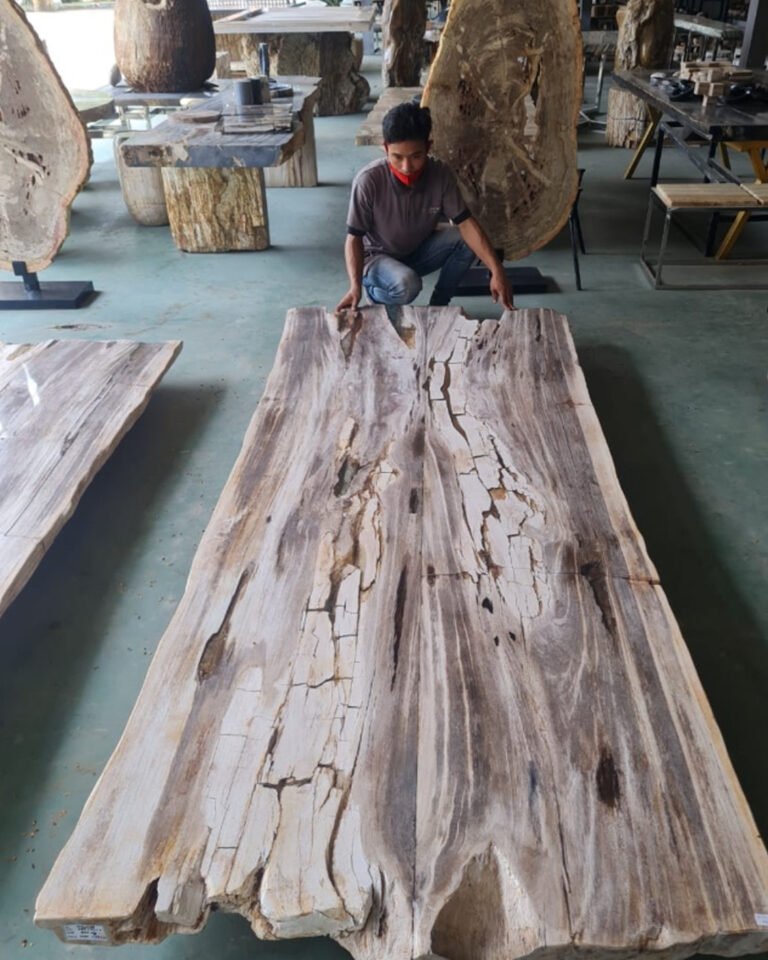
Indonesia, particularly the island of Java, is renowned for its world-class petrified wood. The country’s rich volcanic soils and specific mineral content promote the development of exceptional petrified wood specimens, prized for their vibrant colors, intricate patterns, and high-quality polish. Indonesian petrified wood is sought after by collectors, designers, and investors for its beauty and rarity.
Factors That Influence the Value of Petrified Wood
Before considering petrified wood as an investment, it’s important to understand the factors that contribute to its value:
- Rarity and Origin: Specimens from certain locations, such as Indonesia, are more desirable and valuable due to unique mineral compositions and coloration.
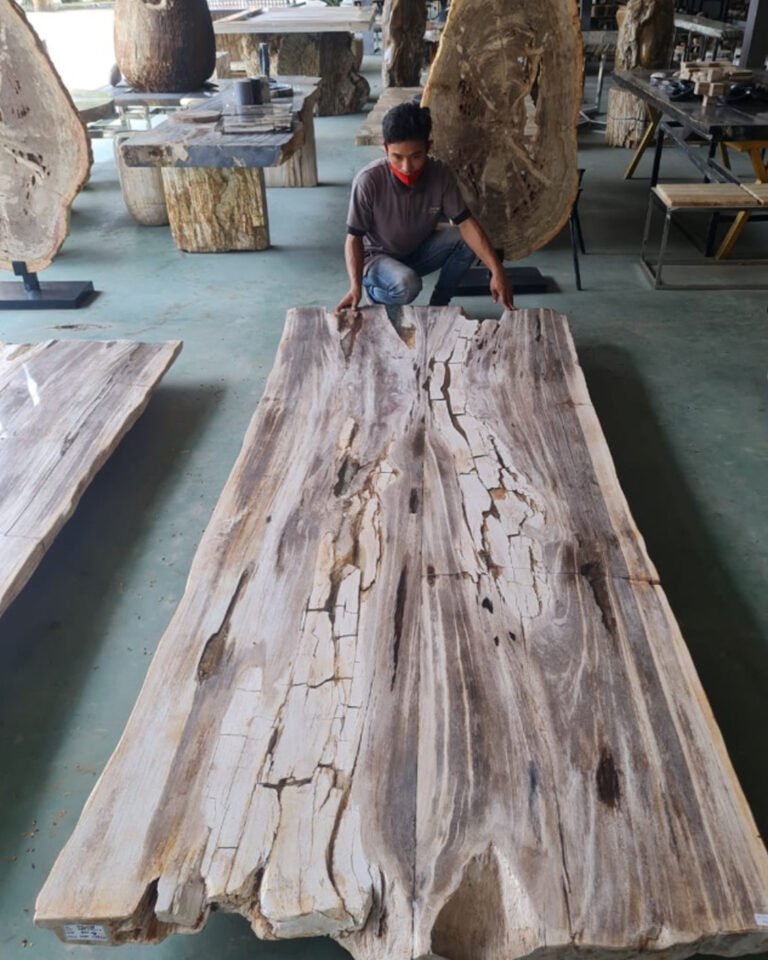
- Size and Condition: Larger, intact specimens with minimal fractures command higher prices and greater interest from collectors.
- Color and Pattern: Pieces exhibiting vibrant or unusual colors (like reds, blues, and golds) and striking grain patterns are especially valued.
- Quality of Polish: A high-quality polish enhances both visual appeal and market desirability.
- Age and Provenance: Documentation and traceable origins can increase the investment value of a specimen.
Petrified Wood as an Investment: Is It Worth Considering?
Petrified Wood in the Global Market
As a tangible asset with natural origins and historical significance, petrified wood appeals to a broad range of investors. Globally, there is growing interest in unique and alternative investment items, particularly those that combine aesthetic value with rarity. High-quality petrified wood pieces—especially those from recognized locations like Indonesia—are widely traded in international markets, where their value has been consistently appreciating.
Investment Advantages of Petrified Wood
- Tangible Asset: Unlike stocks or cryptocurrencies, petrified wood is a physical object you can display and enjoy.
- Limited Supply: As a non-renewable natural artifact, only a finite amount exists, driving future scarcity and value.
- Growing Demand: Increasing demand from collectors, interior designers, and luxury decorators supports steady price growth.
- Diversification: Petrified wood can diversify a portfolio, offering insulation from financial market volatility.
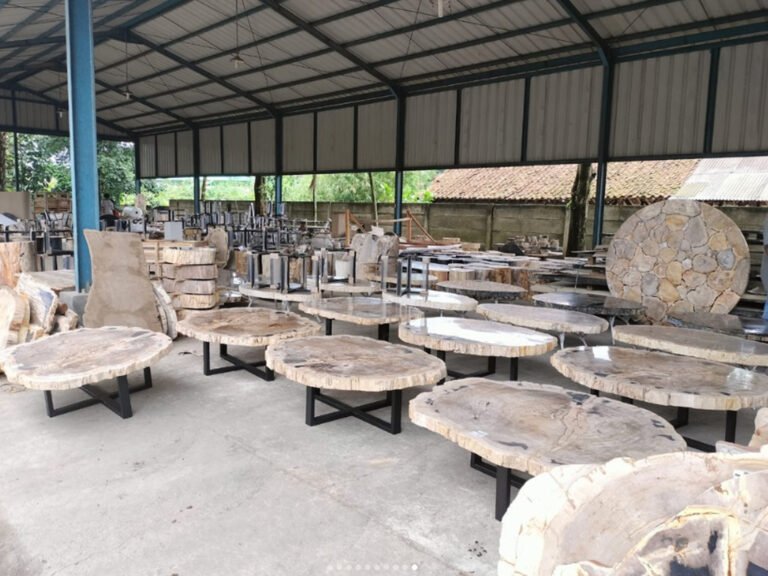
- Aesthetic and Functional Value: In addition to investment potential, it’s also used in décor, jewelry, and furniture, adding further value.
Assessing Petrified Wood Market Trends
Trends in the petrified wood market show that prices for high-quality, rare specimens have steadily increased, especially as more investors and collectors become aware of their appeal. Unique coloration or large sizes tend to fetch record prices at auctions. Indonesian petrified wood often leads these trends due to both its aesthetic superiority and international recognition.
How to Appraise Petrified Wood for Investment
Serious collectors and investors should always seek professional appraisal before purchasing. Factors to consider include authenticity, mineral composition, and any restoration or enhancements. Documentation of the fossil’s origin and scientific analysis can significantly increase its legitimacy and desirability in the marketplace.
Potential Risks and Considerations
As with any investment, petrified wood comes with its own set of risks. Market liquidity may be limited; finding buyers for specific pieces can take time. Values can fluctuate with changing trends or new discoveries. Buyers should be cautious of fakes and misrepresented items. Purchasing from reputable dealers, especially those specializing in Indonesian petrified wood, is vital to protect your investment.
Tips for Investing in Petrified Wood
- Always verify authenticity and provenance.
- Purchase from established, reputable sources.
- Focus on quality specimens with unique features and excellent preservation.
- Maintain proper care of your pieces to preserve value.
- Stay informed about market trends by engaging with collector communities and reputable dealers.
Why Indonesian Petrified Wood is a Smart Choice
The superior aesthetic qualities, unique geological history, and international acclaim of Indonesian petrified wood make it an especially smart choice for both collectors and investors. Its distinctive patterns and intense colors are difficult to find elsewhere, and as global awareness increases, so does demand.
Conclusion: Is Petrified Wood a Good Investment?
Petrified wood, particularly from Indonesia, holds considerable appeal as an investment piece—offering both beauty and the potential for value appreciation. While it may not have the same liquidity as financial instruments, its rarity, aesthetic appeal, and growing international recognition make it a compelling addition to any collection or diversified portfolio. By understanding market dynamics and purchasing wisely from credible sources, investors can enjoy both the tangible and long-term financial rewards that Indonesian petrified wood provides.
One Comment