What Factors Affect the Price of Petrified Wood?
Understanding the Valuation of Petrified Wood
Petrified wood is a remarkable natural artifact, representing a geological transformation that spans millions of years. For interior designers, collectors, and luxury homeowners, it serves as both a decorative masterpiece and a significant investment. However, determining the cost of these items can be complex. Understanding the factors affecting petrified wood price is essential for anyone looking to procure authentic, high-quality pieces for their projects.
Key Factors Influencing Price
Unlike manufactured goods with standardized pricing, every piece of petrified wood is unique. Several physical and aesthetic characteristics play a critical role in its market value:
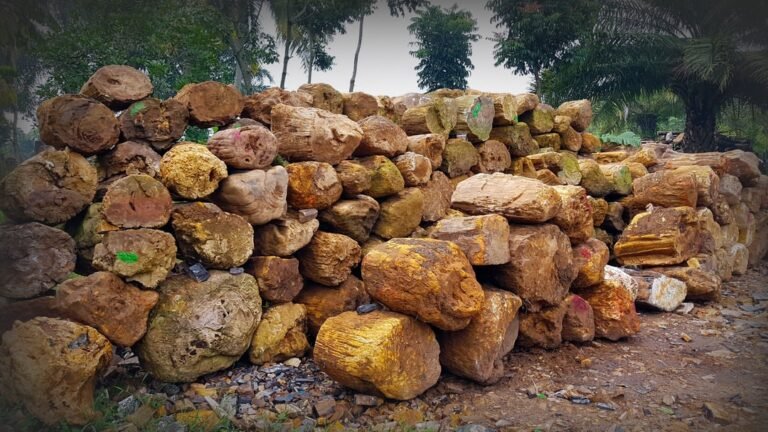
- Coloration and Mineralization: Petrified wood containing rare, vibrant colors—such as deep reds, blues, or yellows—is generally more expensive. These colors are the result of specific minerals, like iron, manganese, or cobalt, infiltrating the wood structure during the fossilization process.
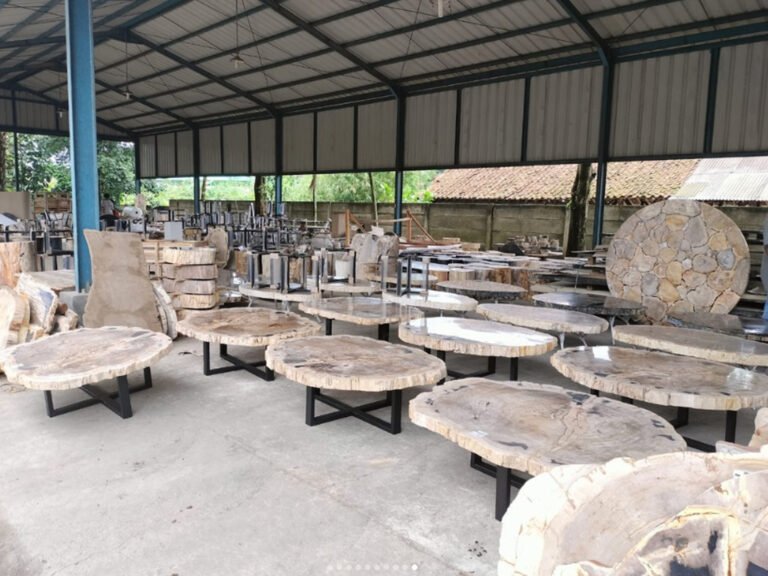
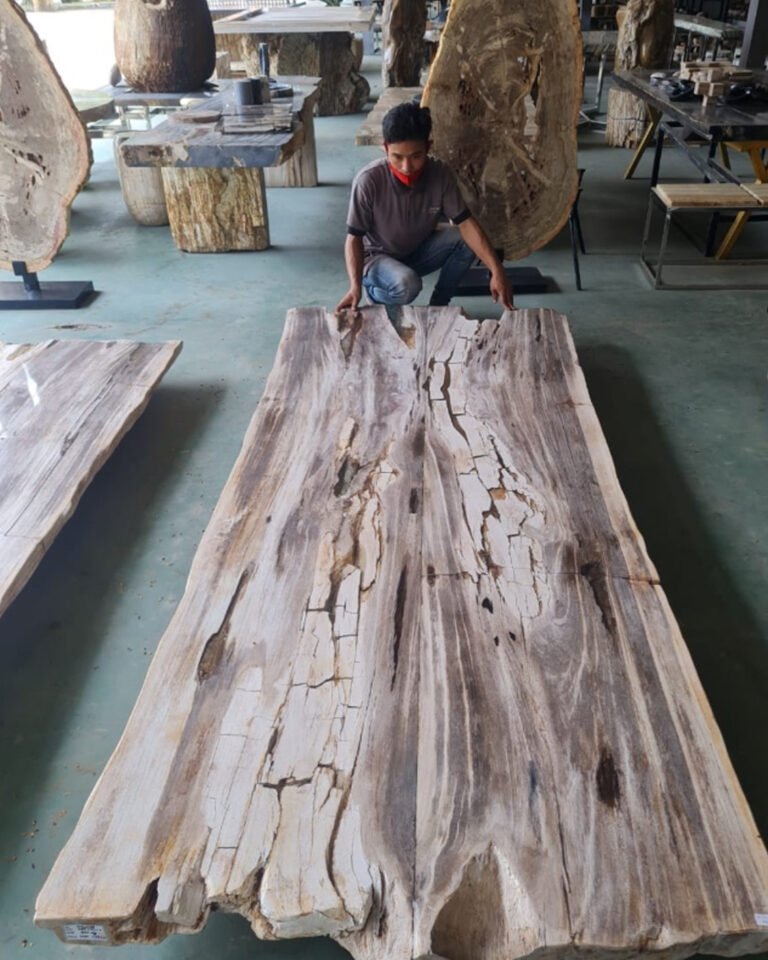
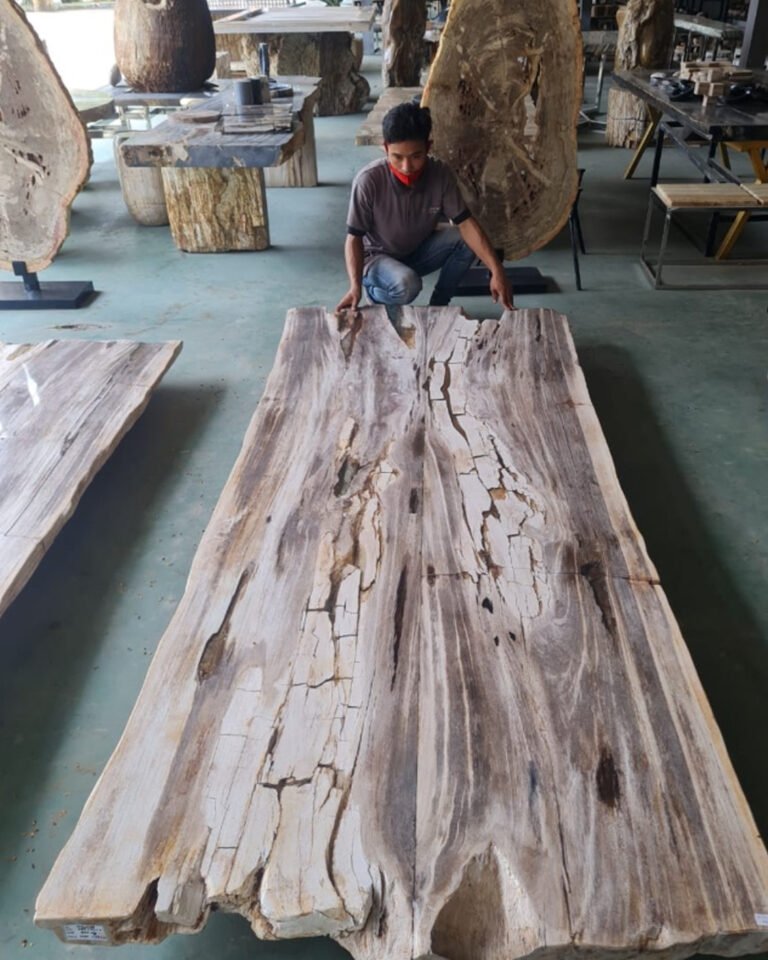
- Size and Dimensions: Larger, intact specimens are significantly rarer than smaller fragments. Large slabs suitable for dining tables or conference surfaces require more labor-intensive extraction and processing, which increases the total cost.
- Completeness and Shape: Pieces that maintain the organic form of the original tree, such as logs or intact stumps, often command a premium. Buyers frequently look for pieces where the natural texture and bark have been preserved, as described in our guide on why every piece of petrified wood is different.
- Quality of Finishing: The craftsmanship involved in cutting, grinding, and polishing the stone significantly impacts value. A professional finish that brings out the chatoyancy and depth of the internal ring patterns requires expert skill and specialized equipment.
The Role of Rarity and Provenance
Provenance and geological history play a hidden yet vital role in pricing. Pieces from specific regions known for ancient volcanic activity often contain a more diverse range of silica-based minerals, resulting in higher density and more complex patterns. Understanding the geological context helps buyers distinguish between standard ornamental stones and premium collector-grade items. As you explore options, it is helpful to understand petrified wood quality grades to ensure your investment matches your aesthetic and functional expectations.
Maintenance and Structural Considerations
When assessing price, buyers should also consider the structural integrity of the piece. While natural cracks are a characteristic feature of genuine fossilized wood, excessive fracturing or structural instability can affect both the price and the long-term utility of the item. A high-value piece should be expertly stabilized and finished to ensure it remains a durable centerpiece for years to come.
Comparative Pricing Table
| Attribute | Lower Price Range | Higher Price Range |
|---|---|---|
| Color | Muted, monochromatic browns/grays | Vibrant, multi-color or rare hues |
| Size | Small specimens/fragments | Large logs or oversized slabs |
| Clarity/Detail | Obscured wood grain | Crisp, well-defined cellular structure |
| Condition | Significant repairs/fillers | Mostly natural, intact surfaces |
Why Choose Java Petrifiedwood?
At Java Petrifiedwood, we specialize in sourcing and processing the finest fossilized wood from Indonesia. We take pride in providing transparent information about our materials, ensuring that international buyers receive authentic, high-grade products that meet the highest standards of the industry. If you are looking to elevate your next interior design project with a timeless piece of nature, we invite you to browse our curated collection.
Are you ready to find the perfect piece for your home or business? Contact our team at Java Petrifiedwood today for professional guidance and support with your next luxury sourcing project.