How Petrified Wood Is Finished for Furniture
The Art of Transforming Ancient Fossils into Functional Furniture
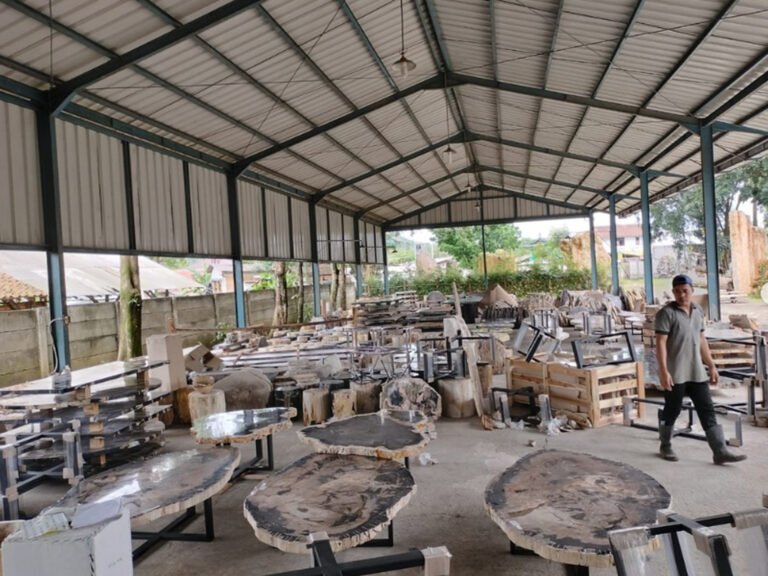
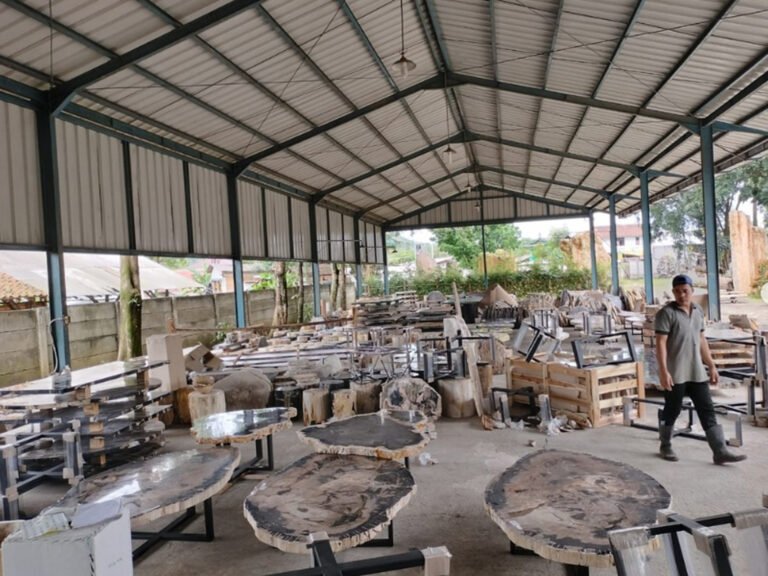
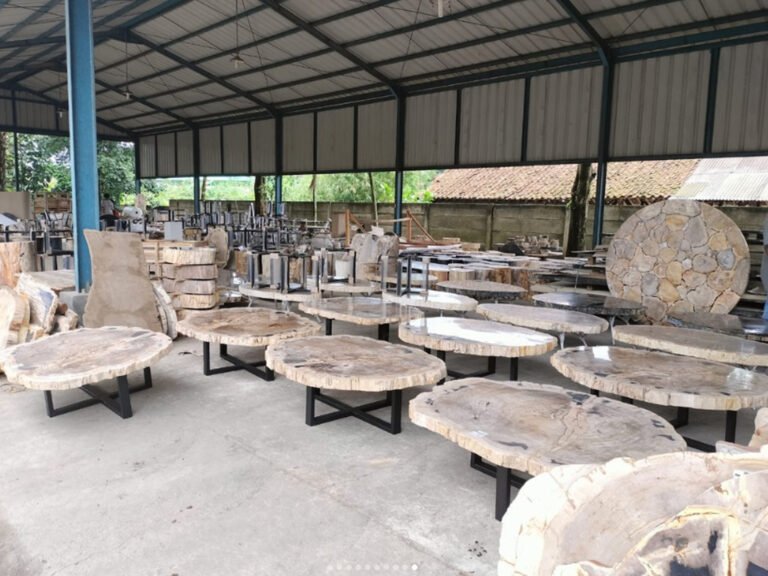
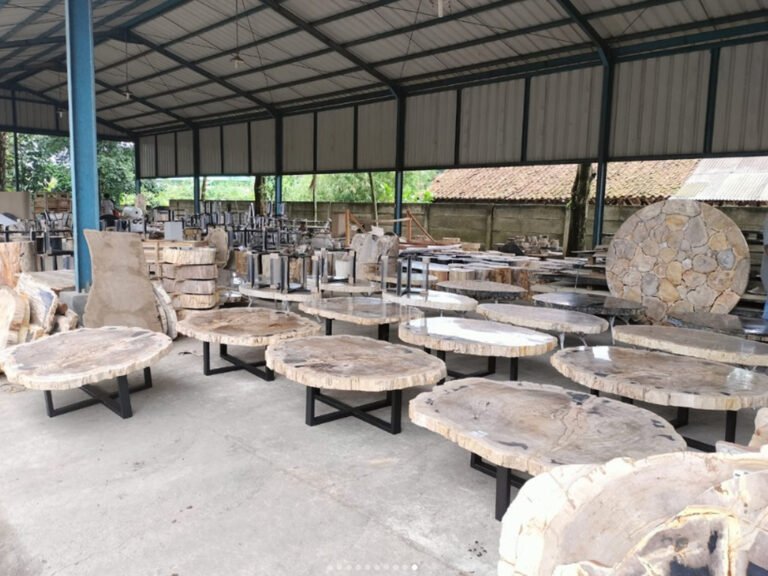
Petrified wood is a natural masterpiece millions of years in the making. Transforming this dense, fossilized material into luxury furniture is a labor-intensive process that requires specialized skills, patience, and the right tools. Finishing petrified wood for furniture is not just about making the surface look good; it is about revealing the intricate, ancient grain structures while ensuring the final piece is durable, functional, and aesthetically stunning.
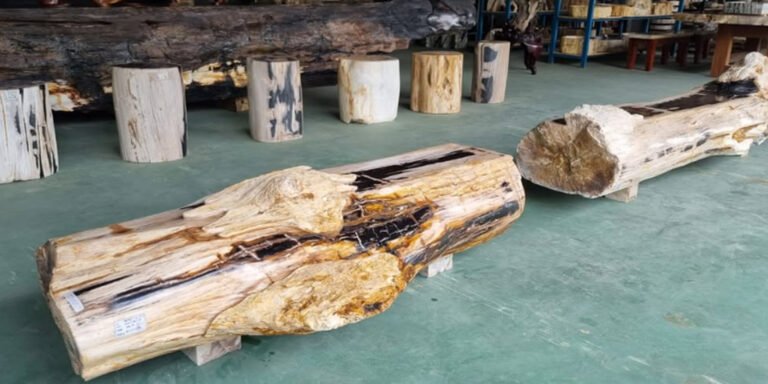
For international buyers and interior designers, understanding how this material is processed provides insight into the value and quality of the final product. The journey from a raw, irregular log found in the Indonesian landscape to a smooth, high-gloss table top involves several critical stages of refinement.
Preparation and Surface Leveling
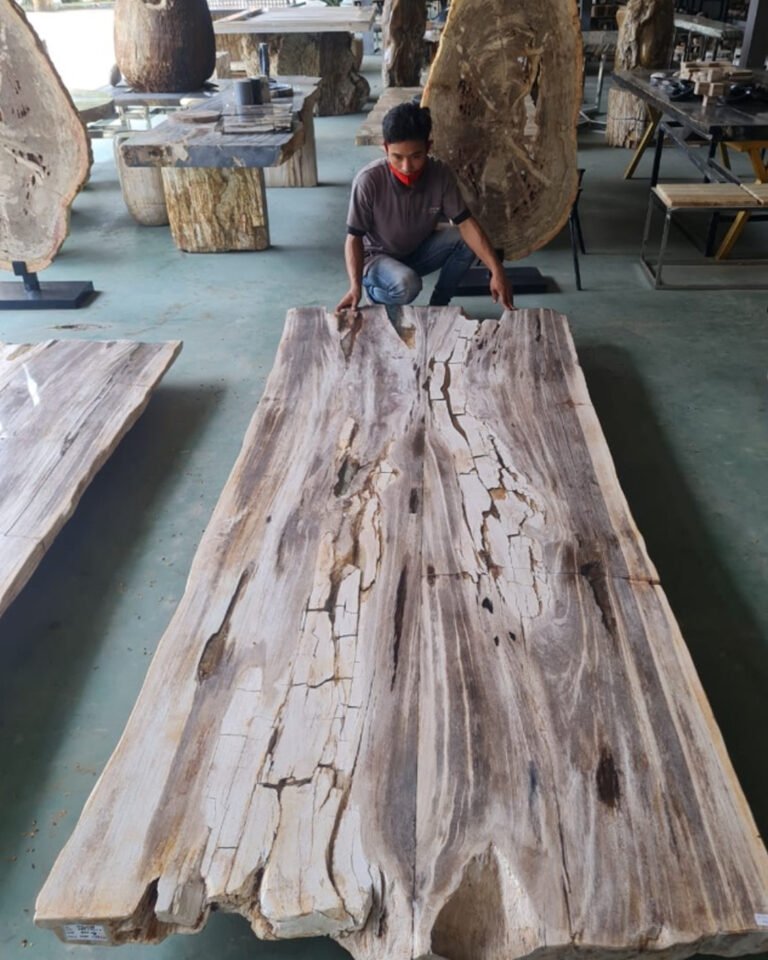
Before any final finish can be applied, the material must undergo rigorous preparation. After the initial cutting of large petrified wood slabs, the surface is often uneven and rough. Craftsmen must flatten the slab to ensure a perfectly level base for furniture.
This is often achieved using heavy-duty diamond-tipped grinding machines. The goal is to remove saw marks and any protrusions that might hinder the final aesthetic. Because petrified wood is extremely hard—often measuring 7 on the Mohs scale—this stage requires high-precision machinery and significant experience to avoid damaging the structural integrity of the fossil.
The Multi-Stage Polishing Process
Polishing is arguably the most important step in achieving a high-quality finish. It is a progressive process that moves from coarse abrasives to increasingly finer grits. This stage is crucial for bringing out the deep, rich colors and the unique crystallization within the wood.
- Coarse Grinding: Removes deep scratches and levels the surface.
- Medium Grinding: Refines the texture and prepares the material for finer polishing.
- Fine Polishing: Uses very fine abrasive pads to create a smooth-to-the-touch surface.
- Buffing: The final stage, which brings out a natural high-gloss shine without the need for thick, artificial coatings.
For those interested in the technical aspects of this transformation, learning about petrified wood polishing reveals why the process requires such a specialized skill set in our Indonesian workshops.
Stabilization and Filling Natural Voids
Petrified wood is a natural material that often contains small cracks, voids, or inclusions. In high-end furniture manufacturing, these are not seen as defects but as part of the material’s unique history. However, to create a smooth, usable surface for a desk or dining table, these areas must be treated.
Craftsmen typically use high-grade resin to fill these voids. This process, known as using resin in petrified wood processing, serves two purposes: it creates a seamless, flat surface and reinforces the overall stability of the slab, preventing further expansion or contraction over time.
Final Protective Treatments
While many collectors prefer the natural, raw finish of polished stone, furniture intended for daily use often requires a final protective sealant. This layer protects the surface from stains, spills, and scratches, ensuring the furniture remains a focal point in any interior design project for years to come.
The choice of sealant is critical; it must enhance the depth of the wood’s colors without masking the authentic feel of the mineralized structure. In professional workshops, these finishes are applied in clean, controlled environments to prevent dust and debris from settling on the surface during the curing phase.
Why Professional Finishing Matters
The difference between a mass-produced piece and a premium furniture item lies in the quality of the finishing. A professionally finished petrified wood piece will show a consistent, mirror-like reflection and will be smooth to the touch across the entire surface, including the edges. By choosing a manufacturer that prioritizes these details, international buyers ensure that the piece they receive is not only visually striking but also structurally sound for residential or commercial applications.
Frequently Asked Questions
- Does the finishing process change the natural color of the petrified wood? No, the finishing process is designed to reveal and enhance the natural mineral colors already present within the fossil.
- Can petrified wood furniture be used outdoors? While petrified wood is highly durable, it is recommended for indoor use to maintain the integrity of the finish and protection against extreme environmental conditions.
- Is resin filling considered unnatural? No, in the furniture industry, it is standard practice to use resin to fill natural voids to ensure a functional, smooth, and clean surface that is safe for daily use.
- How do I clean finished petrified wood furniture? Simply wipe the surface with a soft, damp cloth. Avoid harsh chemicals or abrasive cleaners that could damage the polished finish.
If you are looking for premium-grade, expertly finished petrified wood furniture, Java Petrifiedwood offers a wide selection of slabs and custom pieces crafted by master artisans. Contact our team today to discuss your specific requirements and learn more about our sourcing and manufacturing capabilities.