How to Polish Petrified Wood
Understanding the Polishing Process of Petrified Wood
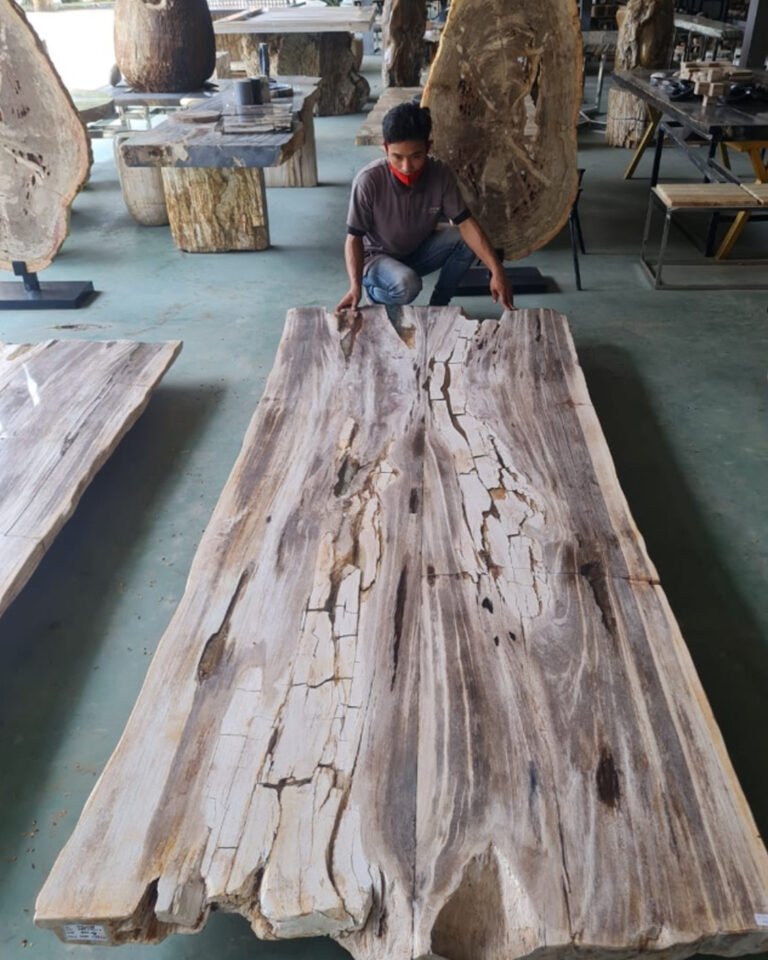
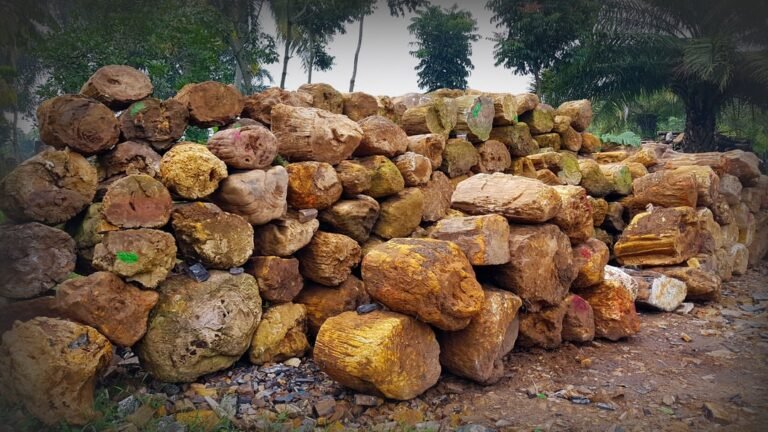
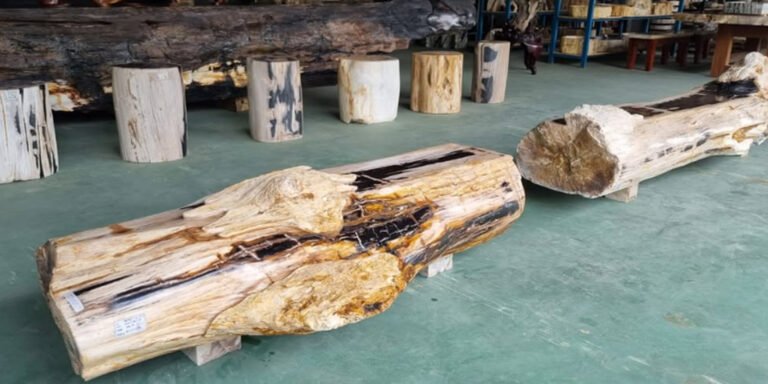
Polishing petrified wood is an art form that transforms a rough, ancient fossil into a breathtaking piece of interior decor. Because petrified wood is essentially quartz—with a Mohs hardness typically ranging from 6.5 to 7—it requires specific abrasive materials and consistent techniques to achieve a true mirror-like finish. Unlike wood, which can be sanded with standard woodworking tools, fossilized wood demands stone-cutting expertise.
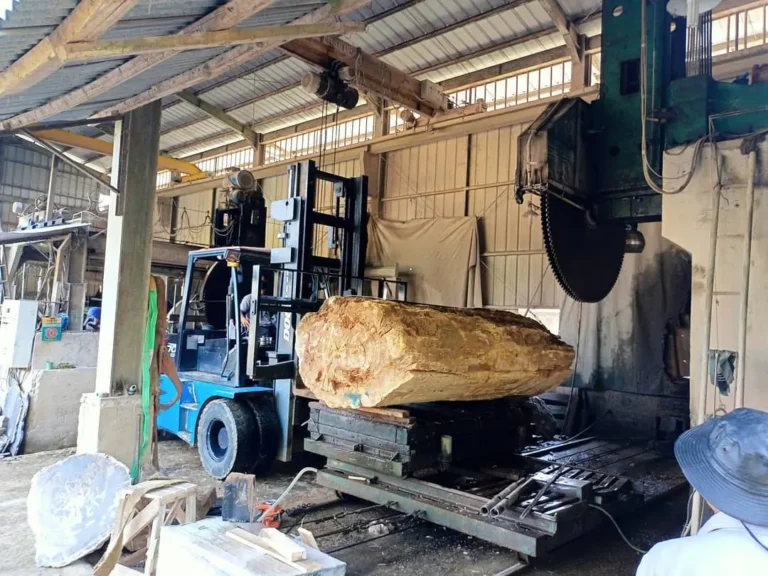
For those interested in how these fossils are prepared at a professional level, understanding the process of cutting petrified wood slabs is the essential first step. Only after the material has been accurately cut and surfaced can the polishing process begin in earnest.
The Necessary Equipment for Polishing
To polish petrified wood effectively, you need more than just elbow grease. The transformation from a matte, ground surface to a polished luster involves a sequence of progressively finer abrasives. Typical equipment used by professionals includes:
- Angle Grinders or Polishers: Variable speed tools are preferred to manage heat.
- Diamond Polishing Pads: Ranging from coarse (50 grit) to very fine (3000 grit or higher).
- Water Supply: Essential for cooling the stone and suppressing dust.
- Backing Plates: To attach the polishing pads securely to the tool.
It is important to note that before any high-grade polishing occurs, the material must be sound. Skilled manufacturers often ensure the structural integrity of the stone, as discussed in our guide on how petrified wood is stabilized before manufacturing. A stabilized piece is far easier to polish to a high standard because it is free from micro-fissures that might otherwise trap abrasive slurry.
Step-by-Step Polishing Technique
Achieving a professional finish requires patience and a systematic approach. Rushing through the grit stages is the most common mistake made by novices.
- Coarse Grinding: Start with a 50 or 100-grit diamond pad. This step removes any remaining saw marks from the cutting phase. Keep the surface consistently wet to prevent the stone from overheating, which can lead to hairline cracks.
- Intermediate Smoothing: Progress through 200, 400, and 800 grits. Each stage should remove the scratch patterns left by the previous grit. Ensure you wash the surface thoroughly between stages to avoid cross-contamination of grit sizes.
- Fine Polishing: Move to 1500 and 3000 grits. At this point, you will start to see the natural colors and grain patterns of the petrified wood emerging with clarity.
- Buffing: For a final, high-gloss mirror finish, professionals use a buffing pad with specialized stone polishing powder or diamond paste.
Why Surface Preparation Matters
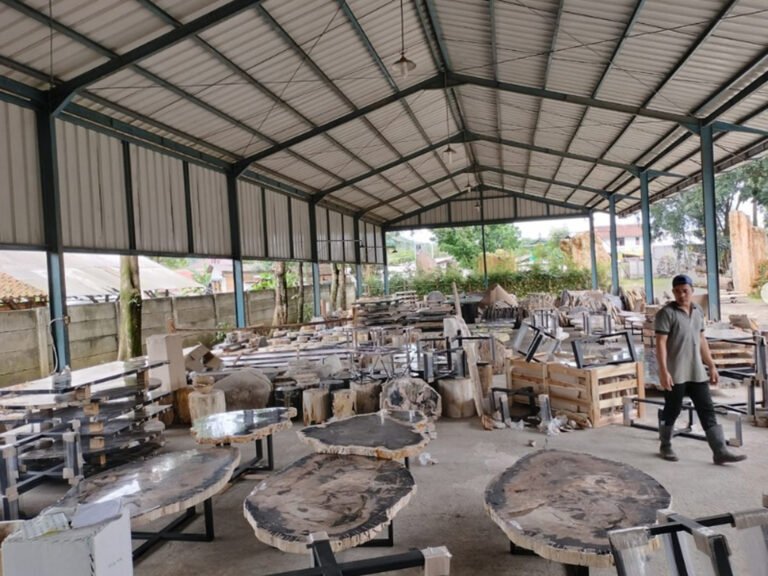
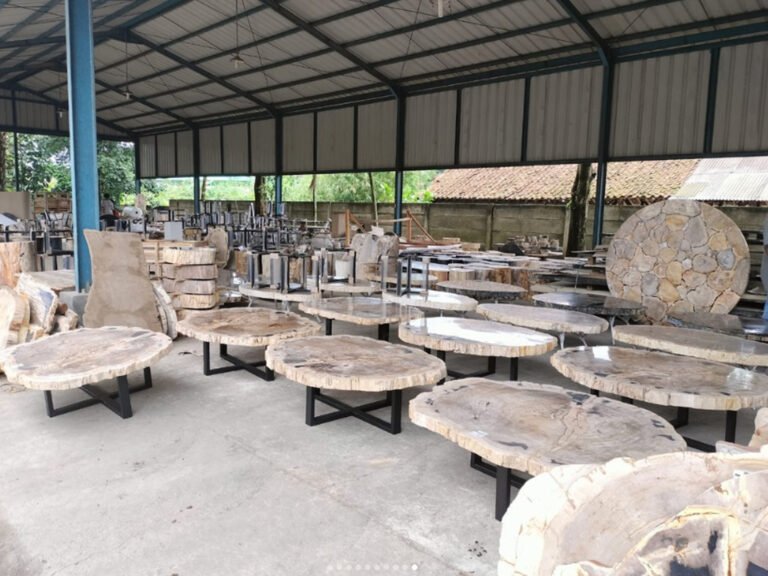
A high-quality polish is only as good as the surface beneath it. If the initial cutting was uneven, no amount of polishing will create a perfectly flat result. This is why petrified wood polishing specialists in Indonesia rely on heavy-duty industrial machinery to ensure the slab is perfectly level before the manual fine-tuning begins. Investing in properly prepared material saves significant time and effort in the finishing stage.
Final Thoughts on Care
Once polished, petrified wood is highly durable, but it still requires care to maintain its shine. While the stone itself is hard, the surface can still be prone to scratches if treated roughly. Gentle cleaning with a soft cloth and non-acidic cleaners is usually sufficient to preserve the luster for years to come.
If you are looking for premium, expertly polished petrified wood products for your next design project, contact the team at Java Petrifiedwood. We provide high-quality, professionally finished fossilized wood for discerning international clients.