Petrified Wood Polishing: From Raw Fossil to Finished Surface
The Journey of Petrified Wood Polishing
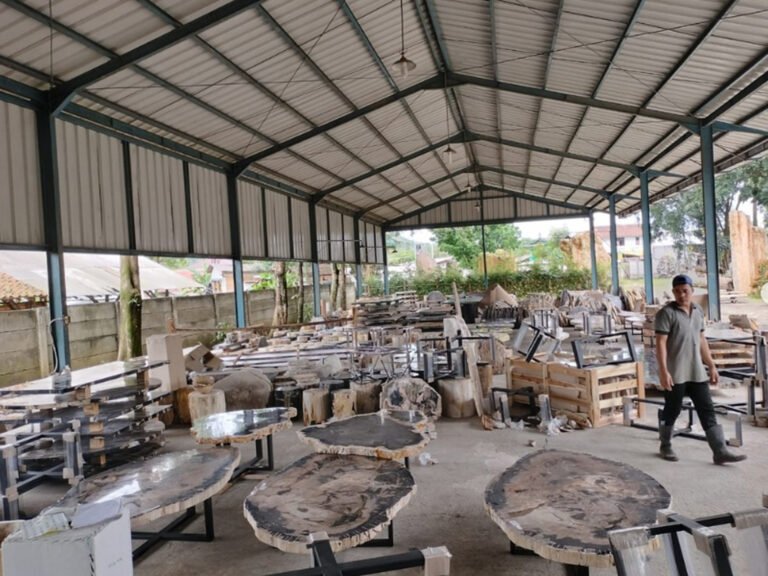
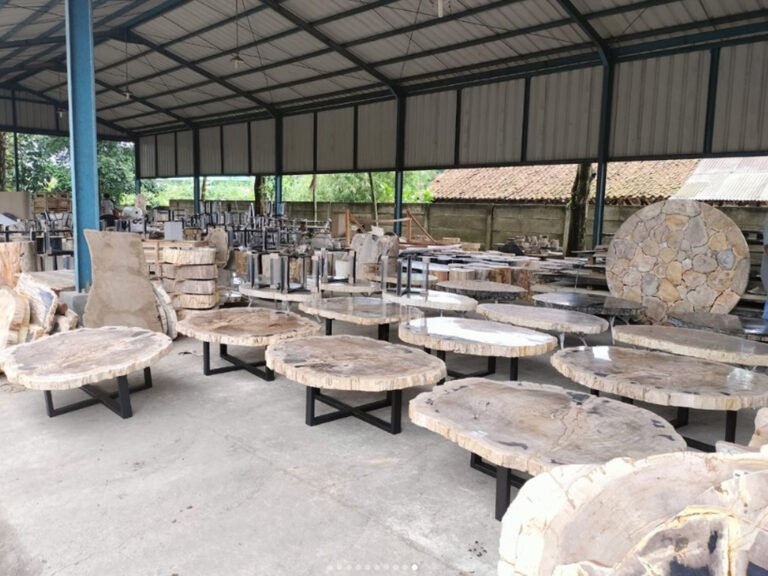
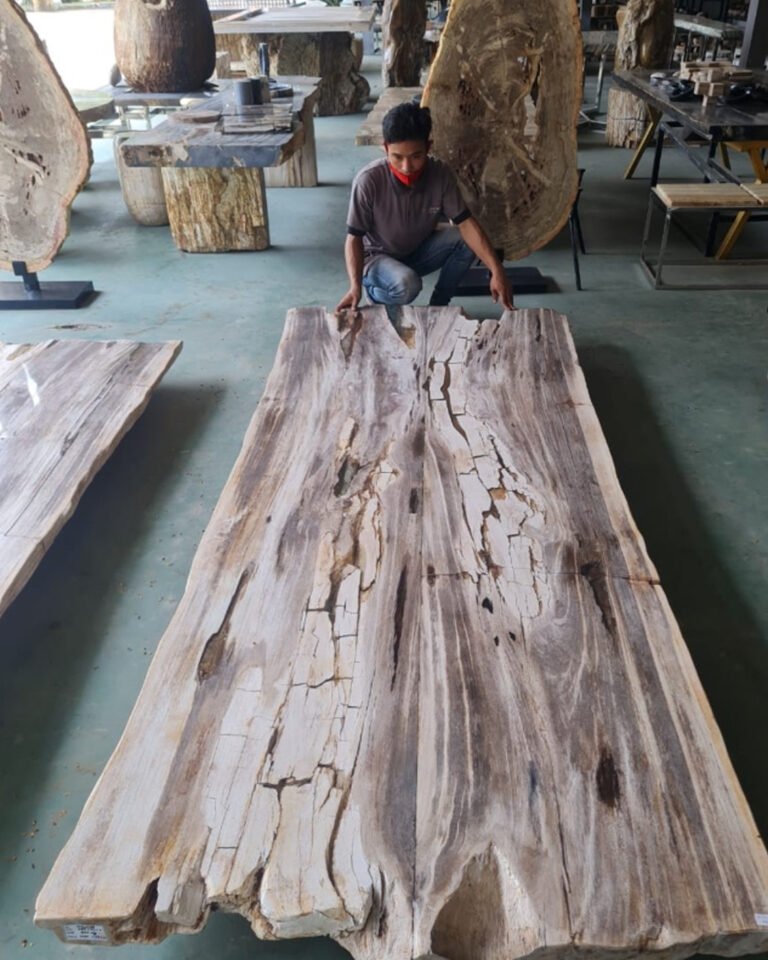
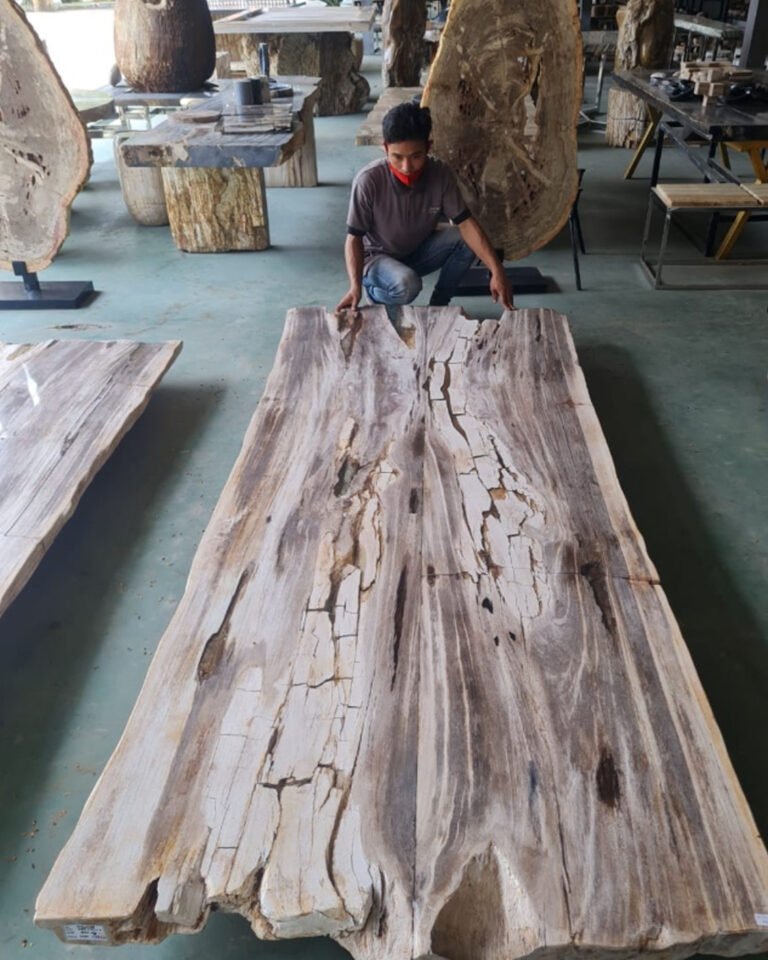
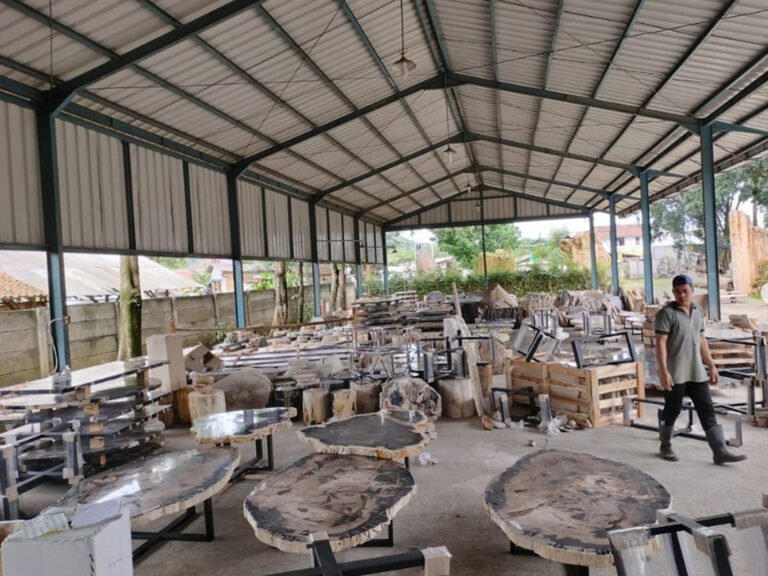
Transforming a raw, earth-bound fossil into a luxury interior piece is a meticulous journey of patience and precision. For many collectors and interior designers, the beauty of petrified wood lies not just in its ancient geological history, but in the glass-like finish that reveals the intricate details of its mineralized rings and textures. Achieving this level of quality requires expert knowledge of how Indonesian craftsmen process petrified wood through specialized lapidary techniques.
Polishing petrified wood is not merely about making a surface shiny; it is about honoring the unique density and chemical composition of the fossil. Because petrified wood is essentially quartz (silica), it is extremely hard—often reaching a 7 on the Mohs scale. This makes the polishing process a specialized trade that demands heavy-duty machinery and skilled manual labor.
The Multi-Stage Grinding Process
The transition from a raw, rough-cut surface to a mirror-like finish happens in several critical stages. Before polishing can begin, the wood must be properly stabilized. You can learn more about this in our guide on petrified wood stabilization: why it matters, as a stable foundation is essential to prevent micro-cracking during the intense grinding phase.
The steps generally include:
- Coarse Grinding: Using diamond-impregnated metal pads to remove deep saw marks left by large cutting machines. This flattens the surface and ensures uniformity.
- Progressive Sanding: The surface is treated with increasingly finer grits of diamond abrasive pads. This stage effectively erases the scratches from the previous step.
- Honing: As the grit level increases, the stone begins to take on a satin appearance.
- Final Polishing: This stage uses very fine polishing powders or specialized buffing pads to bring out the deep, translucent luster that characterizes premium fossilized wood.
Why Surface Finish Matters for Value
For buyers and collectors, the quality of the polish is a primary indicator of the manufacturer’s expertise. A poor polish can leave a hazy, “orange peel” texture that obscures the vibrant colors and detailed grain patterns of the fossil. Conversely, a masterfully polished piece feels cool and silky to the touch, with a depth that makes the colors appear to glow from within.
When working with petrified wood polishing specialists in Indonesia, manufacturers often tailor the finish to the specific end-use. For example, a dining table surface requires a finish that is not only beautiful but also durable enough to withstand daily contact, whereas a decorative slab for wall art might be polished to an even higher, more reflective gloss.
Maintaining the Finished Surface
Once a piece has been professionally polished, maintaining its brilliance is relatively straightforward. Because petrified wood is essentially stone, it is resistant to most household wear. However, avoid using acidic cleaners that might react with any natural mineral inclusions. A simple microfiber cloth and, occasionally, a high-quality stone sealant are all that is typically required to keep the surface looking pristine for years to come.
Expert Craftsmanship at Java Petrifiedwood
At Java Petrifiedwood, we understand that every piece has a unique character that deserves to be highlighted through professional finishing. Our team combines traditional artisanal skills with modern technology to ensure that every slab, table, and sculpture we export meets the highest international standards. Whether you are looking for a singular centerpiece or a wholesale collection, our expertise ensures that the natural beauty of the fossil remains the focal point.
Are you looking for premium quality, expertly finished petrified wood products for your next design project? Explore our collection or contact our team at Java Petrifiedwood today to discuss your requirements.