Petrified Wood Stabilization: Why It Matters
Understanding Petrified Wood Stabilization
Petrified wood is a natural marvel, created over millions of years as organic matter is replaced by minerals. While it possesses the hardness of stone, its internal structure can sometimes harbor microscopic voids, natural fractures, or zones of varying density. This is where petrified wood stabilization becomes a critical step in the journey from a raw fossilized log to a high-end interior design piece.
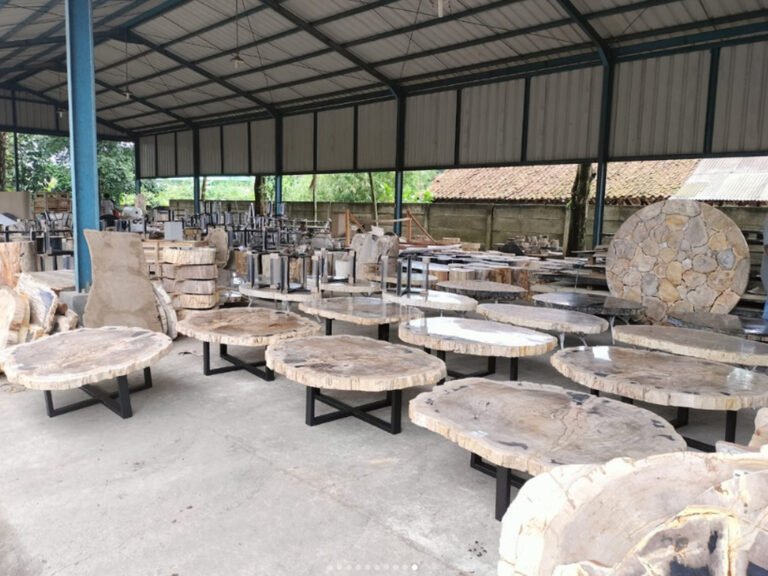
Stabilization is the technical process of reinforcing the structural integrity of the stone. By introducing specialized binding agents into the pores and fissures of the material, manufacturers ensure that the finished product is not only beautiful but also resilient enough to withstand the demands of daily use, whether as a center table or a piece of wall art.
Why Stabilization Is Essential for Longevity
When craftsmen work with fossilized wood, they are essentially shaping a unique geological artifact. Without proper stabilization, certain pieces might remain prone to flaking or expanding along natural fissures over time, especially when exposed to fluctuating temperature and humidity levels in a modern indoor environment.
The stabilization process serves several key purposes:
- Structural Reinforcement: It fills micro-cracks and cavities, binding the mineralized layers into a solid, cohesive unit.
- Surface Quality: It allows for a higher-quality finish during the polishing phase, ensuring the surface remains smooth and resistant to degradation.
- Durability: A properly stabilized piece is far less likely to develop new cracks, making it a reliable investment for luxury furniture buyers.
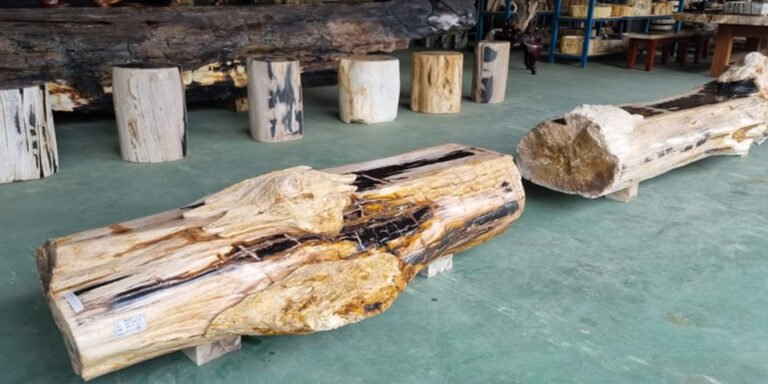
To understand the depth of effort required in creating these pieces, it is useful to look at how petrified wood is stabilized before manufacturing, which explains the technical rigor involved in preparing the raw material.
The Intersection of Craftsmanship and Technology
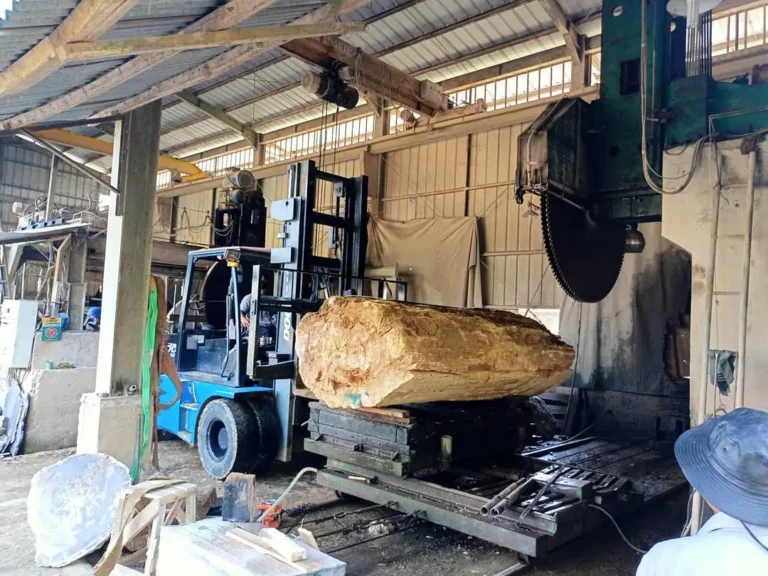
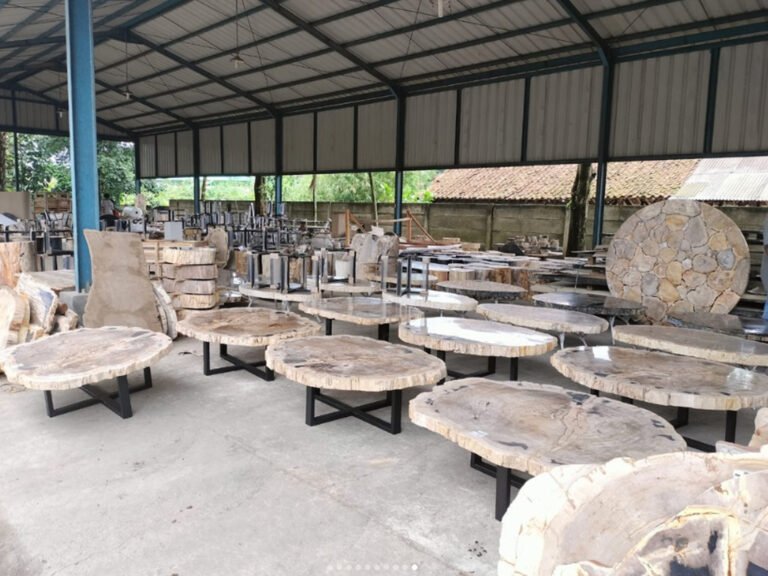
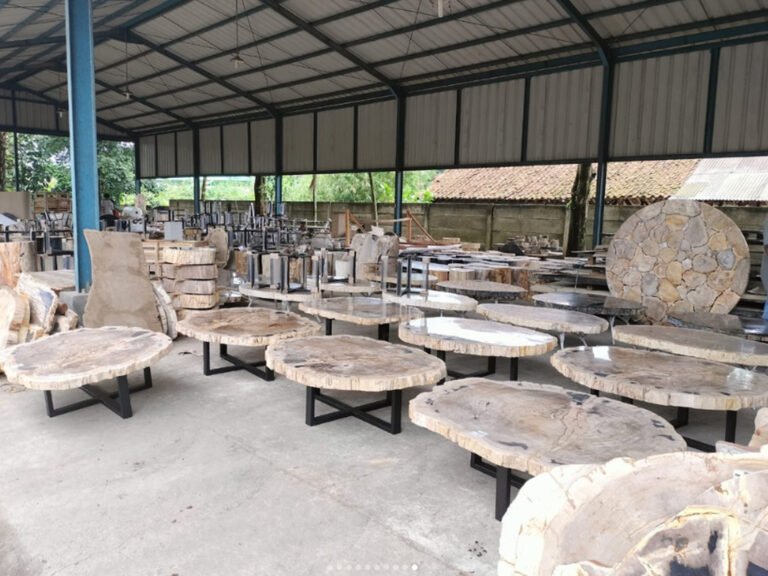
The art of working with fossilized wood in Indonesia has evolved significantly. While traditional hand-finishing remains at the heart of the industry, modern machinery plays a vital role in ensuring consistency. Once a slab is stabilized, it must be cut and processed with extreme precision. The methods used in modern machinery used to process Indonesian petrified wood enable factories to handle large, heavy slabs without compromising the integrity that the stabilization process has established.
Key Benefits for the International Buyer
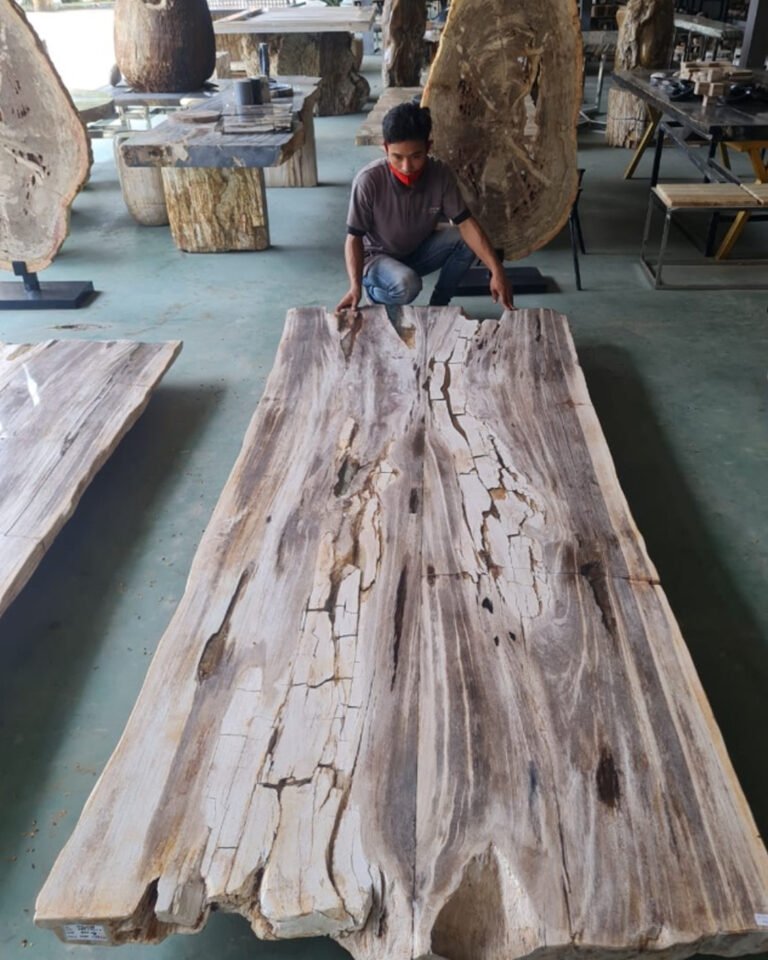
For international buyers and interior designers, identifying quality involves understanding the lifecycle of the product. A well-stabilized item will have a consistent surface texture and a weight that feels substantial and solid. Because every piece of petrified wood is unique, the stabilization process is tailored to the specific characteristics of each fossil. This bespoke attention to detail is why the people behind Indonesian petrified wood manufacturing are so essential to the process, as they bring the human intuition required to balance natural beauty with industrial strength.
| Feature | Stabilized Piece | Unstabilized Piece |
|---|---|---|
| Structural Integrity | High (Reinforced) | Variable (Natural) |
| Polishing Potential | Excellent (Glossy) | Challenging (Porous) |
| Longevity | High Resistance | Potential for Fissures |
Conclusion
Investing in petrified wood is an investment in natural history. By prioritizing pieces that have undergone professional stabilization, buyers can ensure that they receive a product that combines the raw, earthy appeal of ancient forests with the durability required for contemporary living spaces. If you are sourcing premium fossilized wood for your next project, understanding these technical standards will help you make an informed decision.
At Java Petrifiedwood, we are committed to providing authentic, high-quality fossilized wood products that meet global standards. Contact our team today to learn more about our collection and our meticulous manufacturing processes.