How Resin Is Used in Petrified Wood Processing
The Role of Resin in Modern Petrified Wood Processing
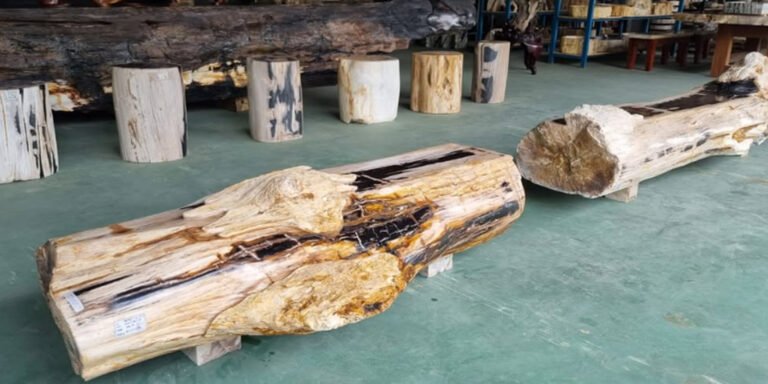
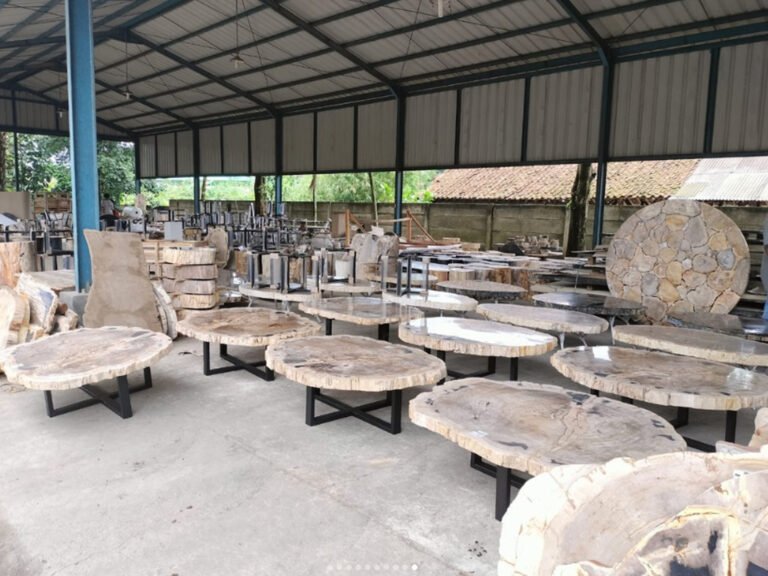
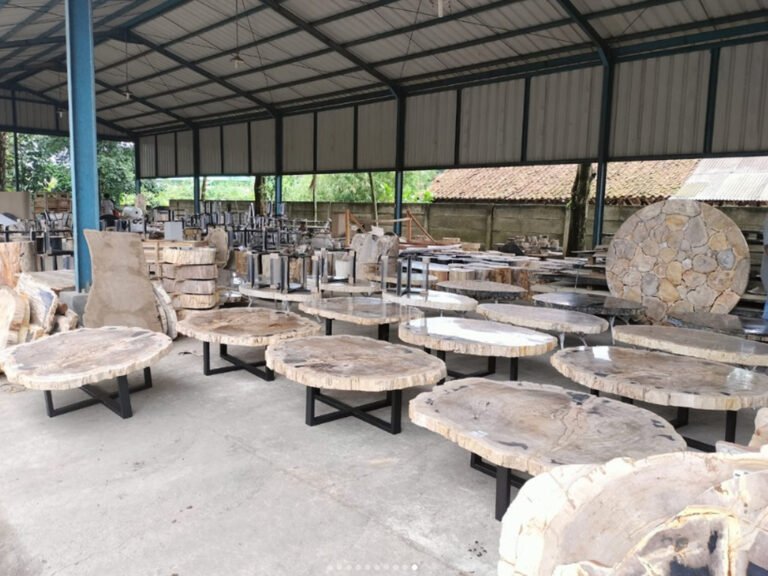
Petrified wood is a natural masterpiece, formed over millions of years through the process of permineralization. While its inherent hardness and stone-like properties make it a durable material for luxury interior design, it is rarely perfect in its raw, excavated state. To transform a rugged fossil into a functional work of art, such as a coffee table or a decorative slab, manufacturers employ sophisticated processing techniques. One of the most vital components in this journey is the use of specialized resin.
Using resin in petrified wood processing is not merely about aesthetics; it is a technical necessity that ensures the structural integrity and longevity of the final product. By addressing the natural cracks in petrified wood that often occur during the fossilization process, resin allows manufacturers to create smooth, usable surfaces while preserving the raw beauty of the ancient wood grain.
Stabilization: The First Line of Defense
Before any aesthetic finishing takes place, the stone must undergo a rigorous petrified wood stabilization process. Petrified wood often contains microscopic fractures or porous areas that could weaken the slab under stress. Industrial-grade epoxy resins are used to penetrate these voids, effectively binding the mineralized structure together. This process creates a reinforced, stable piece that can withstand the rigors of furniture manufacturing and daily use.
In high-quality production facilities, this is often done using vacuum chambers. The vacuum removes air from the internal structure of the wood, allowing the resin to penetrate deep into the material. Once cured, the resin becomes as hard as the stone itself, creating a unified, dense surface that is significantly more resistant to environmental changes and mechanical impact.
Filling Voids and Enhancing Textures
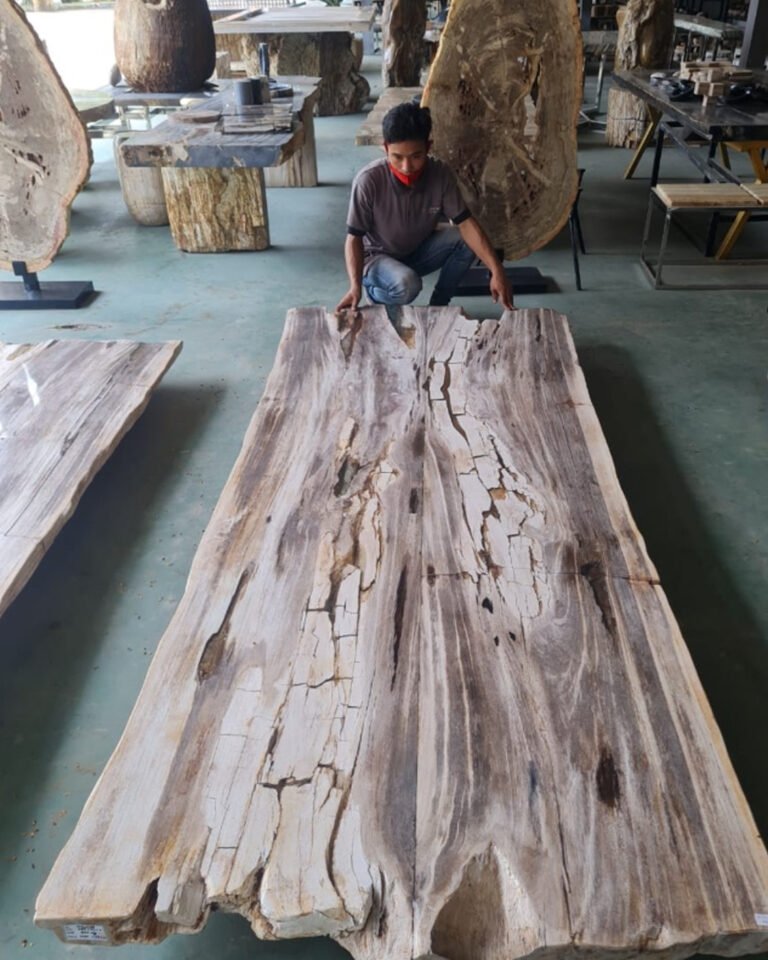
One of the most beloved characteristics of petrified wood is its irregular, organic edge and occasional natural voids. However, these gaps can trap dust and debris, making maintenance difficult. Craftsmen carefully fill these natural holes with clear, tinted, or color-matched resin to create a flush, glass-like surface.
This application is an art form. Skilled artisans must choose the right consistency of resin to ensure it fills even the smallest crevices without altering the appearance of the mineral colors underneath. By integrating natural holes in petrified wood with resin, the manufacturer essentially locks in the history of the tree while providing a practical, hygienic, and smooth surface for a tabletop.
The Final Finish: High-Gloss and Protection
Beyond structural reinforcement, resin is often the final touch for the surface finish. After the slab has been cut and ground down, a final coat of high-grade resin can be applied to bring out the depth of the colors. This layer acts as a protective shield, guarding the stone against spills, scratches, and UV damage.
| Purpose | Resin Application Technique |
|---|---|
| Structural Integrity | Vacuum-assisted impregnation of porous areas. |
| Surface Leveling | Filling natural voids and deep cracks with epoxy. |
| Protective Finish | Top-coat application for durability and gloss. |
Choosing Quality Resin for Your Petrified Wood Needs
For international buyers, understanding how a factory handles its resin application is a key indicator of quality. A manufacturer who uses high-grade, non-yellowing epoxy is committed to long-term durability. At Java Petrifiedwood, we prioritize precision in every step of production, ensuring that our resin applications enhance the natural splendor of our fossilized pieces without masking their authentic character.
If you are looking for premium petrified wood products that combine expert stabilization with exquisite finishing, contact our team today to explore our current inventory of slabs and furniture pieces.