
How to Package Petrified Wood Furniture for Export
Ensuring Safe Global Transit for Petrified Wood Furniture
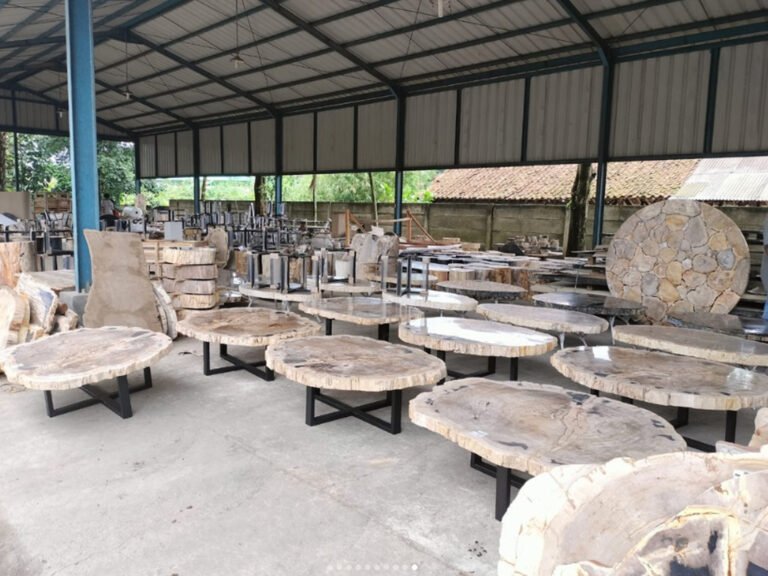
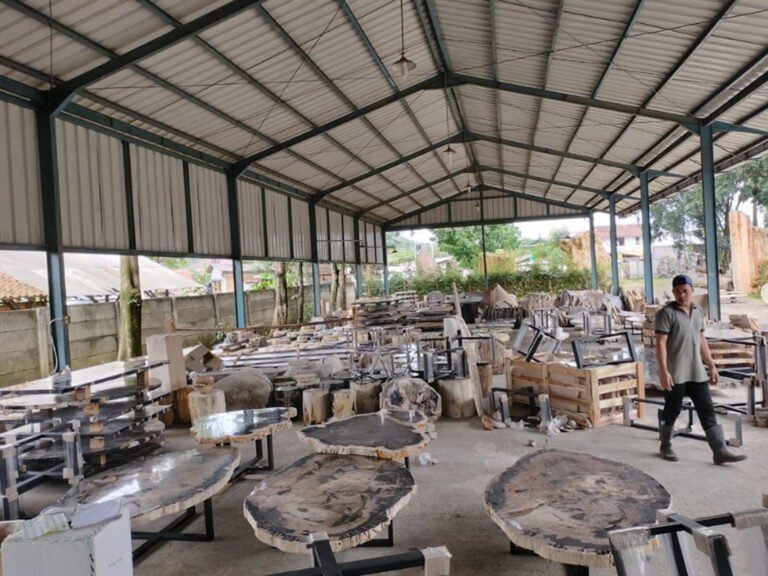
Exporting high-quality petrified wood furniture requires more than just finding a reliable courier; it demands meticulous attention to packaging standards. As these unique pieces are essentially stone—heavy, dense, and naturally brittle in specific stress points—standard packaging methods are often insufficient. At Java Petrified Wood, we emphasize that the journey from an Indonesian workshop to your home or gallery requires a combination of structural engineering and protective materials to ensure the material remains pristine.
Understanding the logistical requirements is just as important as selecting the right piece for your collection. If you are new to the procurement process, familiarizing yourself with how to import petrified wood from Indonesia step-by-step will provide you with the foundational knowledge of how professional suppliers manage the chain of custody from the factory floor to the international port.
The Foundations of Professional Crating
When shipping heavy items like fossil wood, the crate serves as the primary line of defense. Unlike standard commercial goods, petrified wood furniture requires custom-built wooden crates, commonly referred to as “ISPM-15 compliant wooden packaging.”
- Custom Framework: Every piece is measured to have a custom-built frame that supports its specific weight distribution.
- ISPM-15 Compliance: All wood used for crates must be heat-treated and certified to prevent the spread of pests, which is mandatory for international customs.
- Weight Distribution: Heavy slabs or tables must be secured to a base that prevents shifting during transit, as the immense weight can easily break through a weak container.
Protective Layers: From Foam to Film
Before the furniture even enters the crate, the surface must be shielded from moisture, dust, and potential vibrations. For those interested in the intricacies of how these items are prepared before they are boxed, our guide on how petrified wood is processed in Indonesian workshops highlights the care taken during finishing, which continues into the final packaging stage.
- Inner Protective Layer: We use high-density foam or bubble wrap to cover all polished surfaces to prevent scratches.
- Moisture Barriers: Since international shipping often involves changing climates, plastic shrink-wrap is applied to provide a humidity-resistant seal.
- Internal Support: For delicate shapes or protrusions, custom internal blocks are used to ensure the weight is not resting on a vulnerable point.
Documentation and Handling Instructions
The best packaging in the world can still fail if the handling team is unaware of the contents. Clear labeling is a crucial part of the export process. Crates should be clearly marked with:
- “Fragile” and “This Side Up” symbols.
- Weight indicators so that forklift operators know the center of gravity.
- Handling instructions for the destination customs and warehouse staff.
For those managing large logistics operations, understanding the broader export process for Indonesian petrified wood explained is essential to ensuring that your paperwork and physical cargo are perfectly synchronized for a smooth clearance.
Consulting with Java Petrified Wood
While the goal of professional packaging is to eliminate risk, the size and rarity of our pieces mean that custom crating is always the standard. If you are planning a significant interior design project or stocking a showroom, we invite you to reach out. Our team has years of experience in ensuring that the beauty of ancient, mineralized trees is preserved through every mile of their journey to you.
Are you ready to bring the timeless elegance of Indonesian petrified wood to your space? Contact us today to discuss our collection and secure, professional shipping options tailored to your needs.