How Petrified Wood Is Stabilized Before Manufacturing
The Importance of Stabilization in Petrified Wood Manufacturing
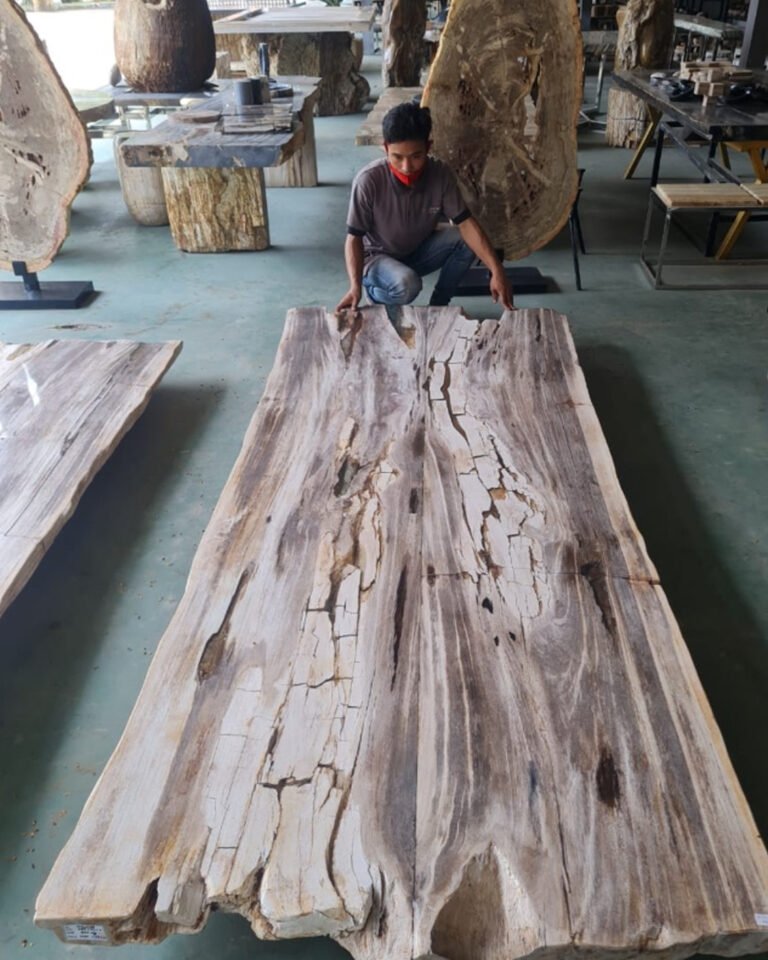
Petrified wood is a remarkable natural material, formed over millions of years through the permineralization process. While the resulting stone is incredibly hard, its internal structure can contain micro-fissures, natural voids, or soft inclusions that occur during the fossilization process. To transform these raw materials into premium furniture, sculptures, or slabs, manufacturers must employ precise stabilization techniques. This process is crucial for maintaining the structural integrity of the piece, especially when creating large-scale items like dining tables or decor.
In Indonesia, where artisans have honed the craft of working with this ancient material, stabilization is viewed as a vital step in how Indonesian craftsmen process petrified wood. By sealing the surface and filling microscopic gaps, producers ensure that the final product is not only visually stunning but also durable enough for daily use in modern interior design.
Understanding the Stabilization Process
Stabilization generally involves the introduction of synthetic resins into the porous or fractured sections of the fossilized wood. This practice serves two main purposes: it reinforces the stone’s structural stability and enhances its aesthetic appeal by highlighting the intricate patterns and vibrant colors within the grain.
Assessment and Cleaning
Before any stabilization begins, the raw fossilized wood undergoes a thorough assessment. Craftsmen inspect the piece to identify areas that require reinforcement. Once identified, the wood is cleaned of dirt, minerals, and loose debris. A perfectly clean surface is essential to ensure that the stabilizing agents adhere properly to the stone.
Application of Filling Agents
For larger voids or natural cracks, specialized epoxy resins are used. In many professional workshops, these resins are tinted to match the surrounding minerals or kept transparent to accentuate the natural beauty of the fossil. This step is often followed by a vacuum chamber process if deep penetration into porous areas is required, ensuring that the stone is strengthened from the inside out.
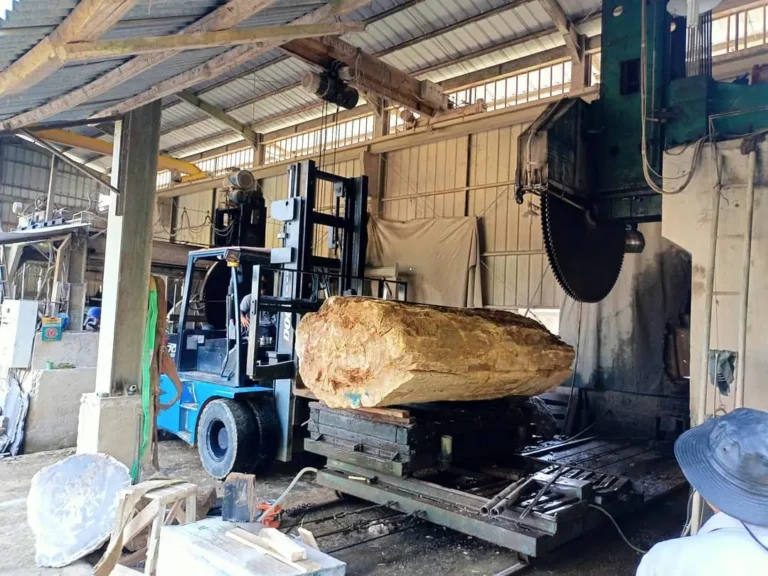
Interested in how these materials are shaped after the stabilization phase? You can learn more about how Indonesian factories cut petrified wood slabs once they have been treated and prepared.
Why Professional Stabilization Matters
While DIY stabilization might seem feasible for small hobbyist projects, large-scale manufacturing requires industrial-grade expertise. Professionals understand the varying porosity of different mineral replacements, such as silica or iron, and adjust their techniques accordingly. Failure to stabilize correctly can lead to structural failures, such as cracks expanding over time or the stone becoming brittle under environmental stress.
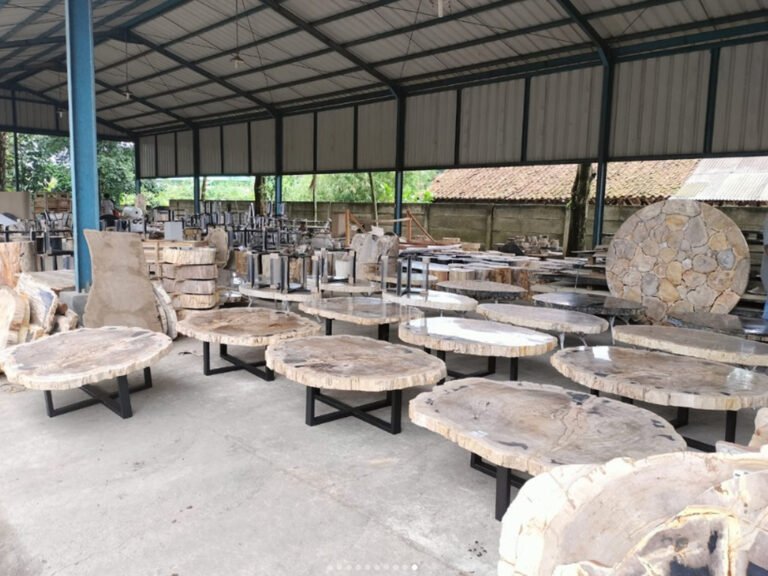
When you purchase benefits of buying petrified wood directly from an Indonesian manufacturer, you are investing in pieces that have been handled by professionals who prioritize these stabilization standards, ensuring longevity for your investment.
Quality Control During Finishing
After the stabilization agent has cured, the excess material is carefully ground down to match the level of the stone. This requires a high degree of skill, as the goal is to make the stabilization invisible to the naked eye, allowing the natural geological history of the wood to remain the focal point. This rigorous attention to detail is why high-quality, stabilized Indonesian petrified wood remains the gold standard for global interior designers and collectors.
Frequently Asked Questions (FAQ)
- Does stabilization change the look of the petrified wood?
When done professionally, stabilization enhances the wood’s natural colors and patterns by filling micro-cracks, making the grain appear more vivid without looking artificial.
- Is it necessary to stabilize every piece of petrified wood?
Not necessarily. While most commercial products are stabilized for durability and surface smoothness, some decorative display pieces with minimal cracking may remain in their natural state depending on the intended use.
- Can stabilized petrified wood be used outdoors?
While petrified wood is naturally resistant, it is always best to consult with your supplier regarding the specific type of resin used for stabilization, as some coatings may react differently to prolonged UV exposure.
- Does stabilization make the wood heavier?
The added resin adds a negligible amount of weight. The primary weight of the piece comes from the mineralized stone itself.
Are you ready to find the perfect piece for your next project? Browse our curated collection of professionally crafted and stabilized fossilized wood. If you have specific requirements for your interior design needs, our team at Java Petrifiedwood is here to provide expert guidance and support for your procurement journey.