Understanding the Grain Patterns of Petrified Wood
The Fascinating World of Petrified Wood Grain Patterns
For collectors, interior designers, and architects, petrified wood is more than just a decorative stone; it is a frozen moment in time. Among its most captivating features are the intricate grain patterns that tell the story of the ancient trees from which they originated. Understanding these patterns is essential for anyone looking to appreciate the artistry of nature or seeking to incorporate authentic pieces into their home design.
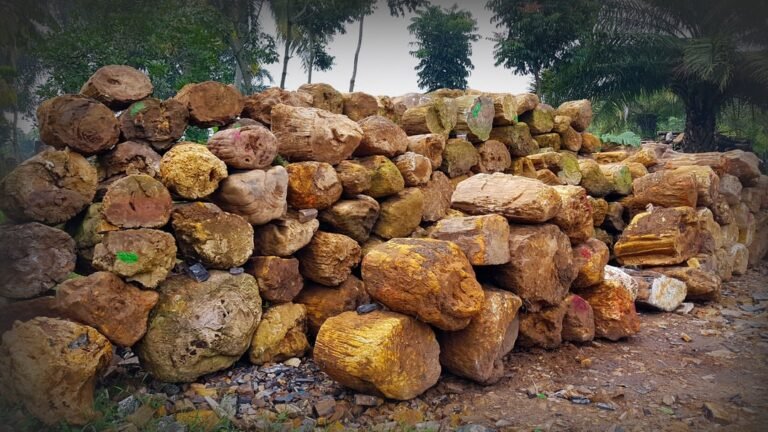
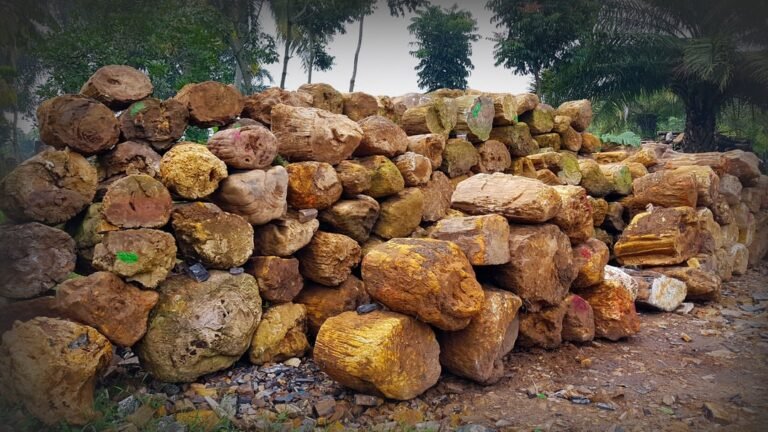
The visual appeal of the geological formation of petrified wood in Indonesia is deeply linked to how mineral-rich solutions replaced the organic structure of the wood over millions of years. This process, known as permineralization, allows the original cellular structure—including the growth rings, knots, and bark textures—to be preserved with startling clarity.
How Grain Patterns are Preserved
During the fossilization process, silica-rich groundwater permeates the cellular walls of the wood. As the organic material decays, it is replaced molecule by molecule by minerals like quartz, chalcedony, or jasper. Because the mineral replacement happens at such a microscopic level, the physical layout of the original wood grain remains intact.
This is why you can often see distinct annual growth rings in high-quality specimens. These rings represent the seasonal growth of the tree, similar to how we analyze living timber today. The varying colors and textures found within these patterns are often discussed in our guide on why Indonesian petrified wood has different colors and patterns, where minerals interact with the carbon structure to create unique aesthetic highlights.
Common Grain Variations
Not all petrified wood displays the same look. Depending on the species of the tree and the conditions under which it was buried, the grain can manifest in several ways:
- Linear Grain: Commonly seen in tall, straight-trunked trees, these patterns appear as long, parallel lines or fibers, providing a sleek, modern look.
- Swirled or Wavy Patterns: Often resulting from stress or environmental changes during the tree’s life, these patterns provide a more organic and decorative appeal, ideal for statement furniture.
- Cross-Sectional Rings: These are highly prized for tabletops and art pieces. They show the circular growth rings clearly, often featuring a distinct “heartwood” appearance in the center.
- Bark Inclusions: In some cases, the rough outer texture of the bark is preserved, adding a rustic, tactile dimension to the specimen.
Practical Applications for Interior Design
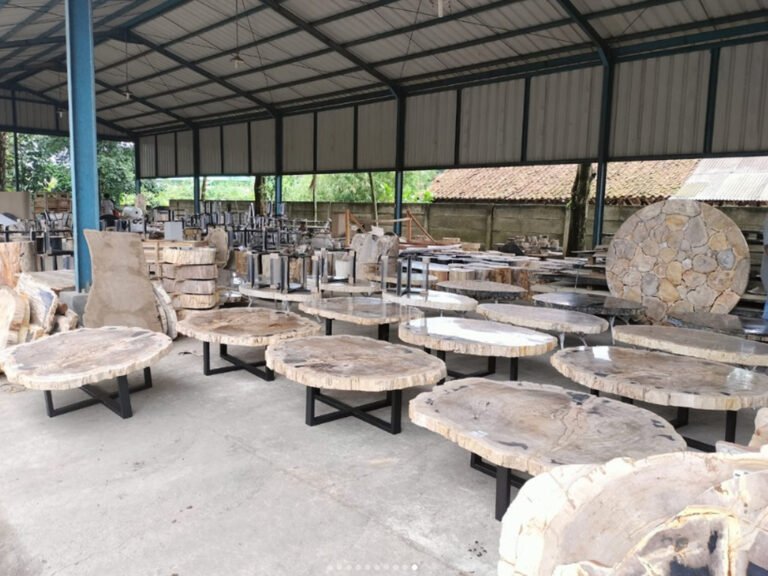
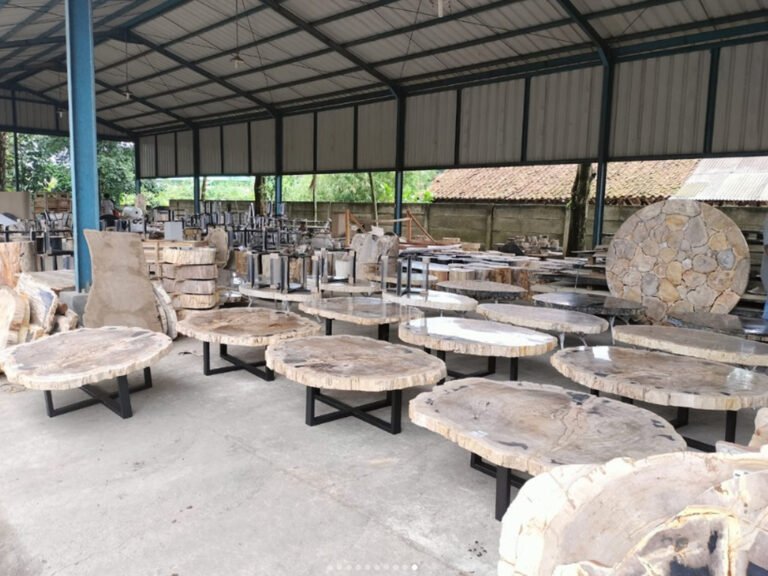
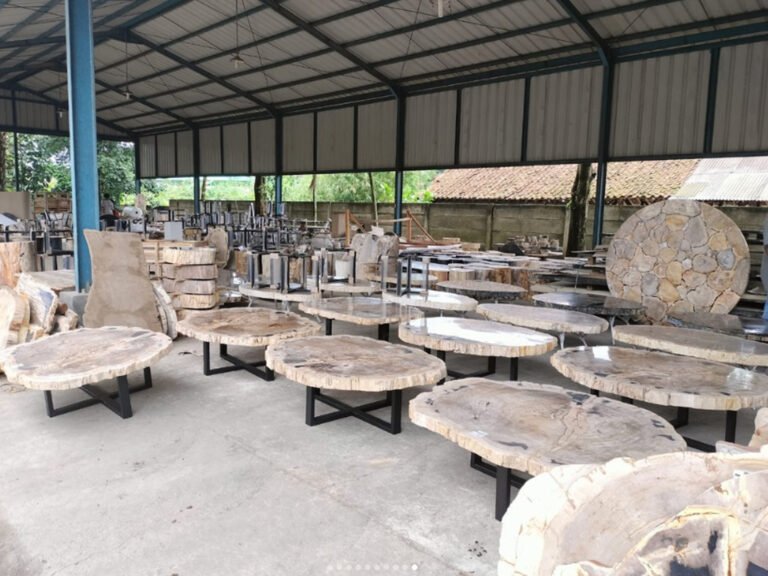
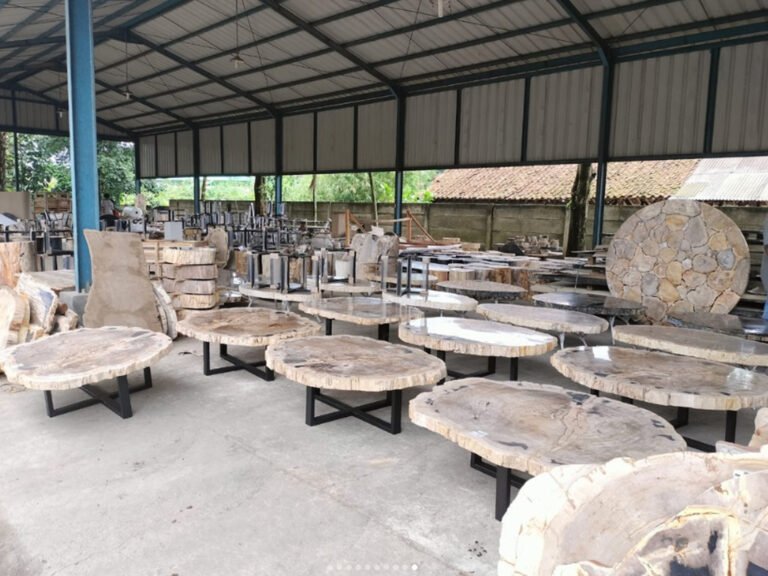
The beauty of these grain patterns is best highlighted through expert cutting and polishing. When artisans slice through a fossilized log, they are revealing a hidden map of ancient history. These slices are frequently used for luxurious petrified wood slab tables, where the grain serves as the primary focal point of the room.
Because no two trees are the same, every piece of petrified wood is unique. The grain pattern is essentially a signature, guaranteeing that your decor item is one-of-a-kind. When selecting pieces for your project, consider how the orientation of the grain will influence the overall aesthetic—linear grains for symmetry, and cross-sections for a natural, artistic centerpiece.
Maintaining the Beauty of the Grain
Because these patterns are essentially stone, they are incredibly durable. However, to keep the grain patterns vibrant and visible, proper maintenance is required. Regular dusting and the use of natural stone cleaners will ensure that the polish remains high, allowing light to penetrate the surface and emphasize the intricate details of the mineral-laden wood fibers.
FAQ
Can you see wood grain in all petrified wood?
While most petrified wood shows some degree of cellular detail, some specimens are so heavily agatized or filled with crystalline quartz that the grain pattern may be partially obscured by vibrant mineral colors.
Does the grain pattern affect the value of the piece?
Yes, rare grain patterns, such as those that show complete, undisturbed circular rings or rare mineral inclusions, are often highly sought after by collectors and command a premium price.
Is petrified wood brittle because of the grain?
No. While it retains the appearance of wood, it is essentially a hard stone (often with a hardness of 7 on the Mohs scale). The grain structure does not make it fragile; rather, it indicates the original structural integrity of the wood that has now been replaced by minerals.
At Java Petrifiedwood, we specialize in sourcing and preparing the finest examples of fossilized timber from Indonesia. Whether you are looking for a unique slab with striking grain patterns for a custom project or a decorative sculpture for an office, we are here to provide professional assistance. Contact our team today to explore our collection and find the perfect piece for your design vision.