Indonesian Petrified Wood Manufacturer vs Trading Company
Understanding the Landscape of Indonesian Petrified Wood Sourcing
For international buyers, interior designers, and wholesalers looking to source high-quality fossilized wood, the Indonesian market offers unparalleled variety. However, the first hurdle often lies in distinguishing between an Indonesian petrified wood manufacturer and a trading company. While both serve as essential links in the supply chain, their business models, capabilities, and value propositions differ significantly.
Understanding these differences is crucial for ensuring product quality, cost-efficiency, and reliable logistics when you buy petrified wood from Indonesia. Each path offers distinct advantages depending on your specific volume requirements and project specifications.
What Is an Indonesian Petrified Wood Manufacturer?
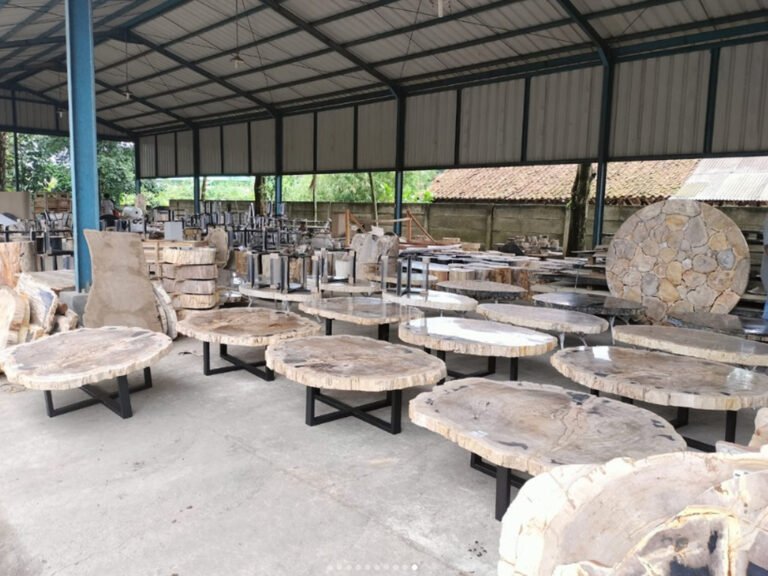
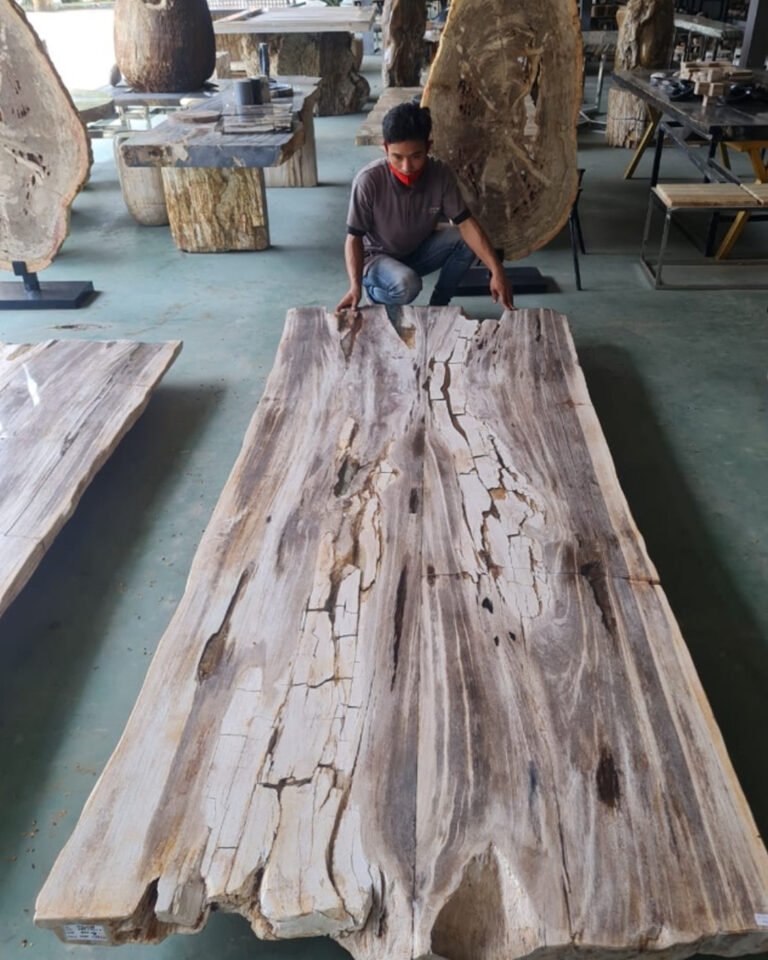
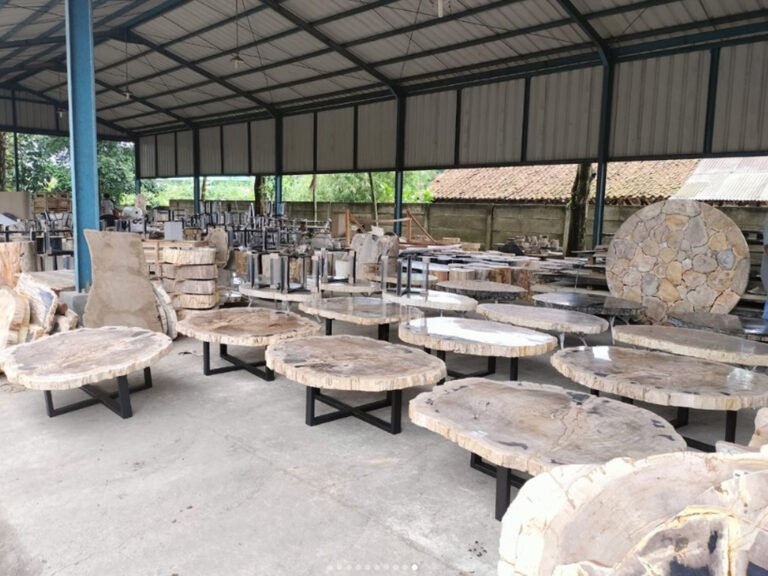
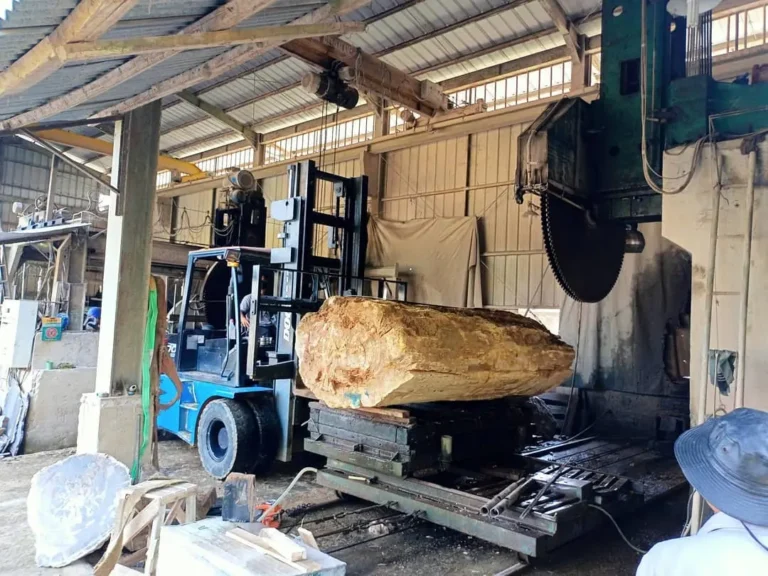
A manufacturer is a business entity that directly engages in the production, processing, and finishing of petrified wood products. They often operate their own workshops where raw fossilized logs are cut, shaped, and polished into finished goods like tables, slabs, or decorative items.
Key Characteristics:
- Direct Oversight: They control the entire production process, from sourcing raw materials to the final surface finish.
- Customization Capability: Because they own the production facilities, they are usually better equipped to handle bespoke orders and unique specifications.
- Pricing: By eliminating intermediaries, manufacturers can often provide more competitive pricing on bulk orders.
- Quality Control: They are directly responsible for the standards of their craftsmanship, which allows for consistent quality checks throughout the production cycle.
The Role of a Trading Company
A trading company acts as an intermediary between international buyers and local producers. They do not typically own the factory or the heavy machinery required to process the stone; instead, they manage the sourcing, communication, and often the documentation for export.
Key Characteristics:
- Broad Network: They often have access to a wide variety of products from different regions, allowing them to consolidate orders that might otherwise require multiple supplier contacts.
- Convenience: They handle the complexities of local logistics, language barriers, and documentation, which can be beneficial for buyers who are new to the Indonesian market.
- Service Focus: Their value lies in their ability to curate selections and provide comprehensive export management services.
Manufacturer vs. Trading Company: A Comparison
To help you decide which partner best suits your business model, consider the following comparison table:
| Feature | Manufacturer | Trading Company |
|---|---|---|
| Production Control | Full control | Limited/None |
| Customization | High | Moderate |
| Price Transparency | High | Varies |
| Product Variety | Focus on their output | Wide range of sources |
| Communication | Direct with producers | Middleman/Agent |
How to Identify the Right Partner
Choosing between these two depends on your specific needs. If you are a high-volume retailer or a designer requiring custom-made pieces, identifying a direct Indonesian petrified wood manufacturer is often the preferred route. It provides you with a deeper understanding of the production process and ensures that your specific requirements are met without unnecessary markups.
Conversely, if you are an independent buyer looking for a highly varied collection or an entry-level importer who needs significant hand-holding regarding customs and local logistics, a reputable trading company with a strong track record can be an invaluable partner. Always remember to check for transparency, consistency, and professional communication standards regardless of the business type you choose.
For those looking to scale their operations, learning how to buy Indonesian petrified wood wholesale is essential for long-term success. Whether you work with a factory or a trader, ensure they have the expertise to handle export documentation and proper packaging to prevent damage during international shipping.
Final Thoughts
At Java Petrifiedwood, we bridge the gap by providing expert craftsmanship and direct access to premium, authentic Indonesian fossilized wood. As you navigate the complexities of international sourcing, focus on building a long-term relationship with a supplier that prioritizes quality, ethical sourcing, and clear communication. If you are ready to explore our collection or discuss your specific requirements, our team is here to guide you through the process.
Frequently Asked Questions (FAQ)
- Is it cheaper to buy from a manufacturer directly?
Generally, yes. By avoiding intermediaries, you reduce the markup on the product. However, consider the total cost, including logistics, which a trader might sometimes manage more efficiently.
- How can I verify if a company is a real manufacturer?
Request videos of their production facility, ask for photos of their raw material stock, and if possible, arrange for a virtual tour or a third-party inspection.
- Do trading companies offer lower quality products?
Not necessarily. Many reputable trading companies have strict quality control protocols. The key is to request detailed specifications and samples before placing a large order.
- Which is better for custom projects?
A manufacturer is almost always the better choice for custom or bespoke furniture projects because they can collaborate directly with their craftsmen to ensure your design is executed accurately.