Petrified Wood Table Prices: What Buyers Need to Know
Understanding Petrified Wood Table Prices
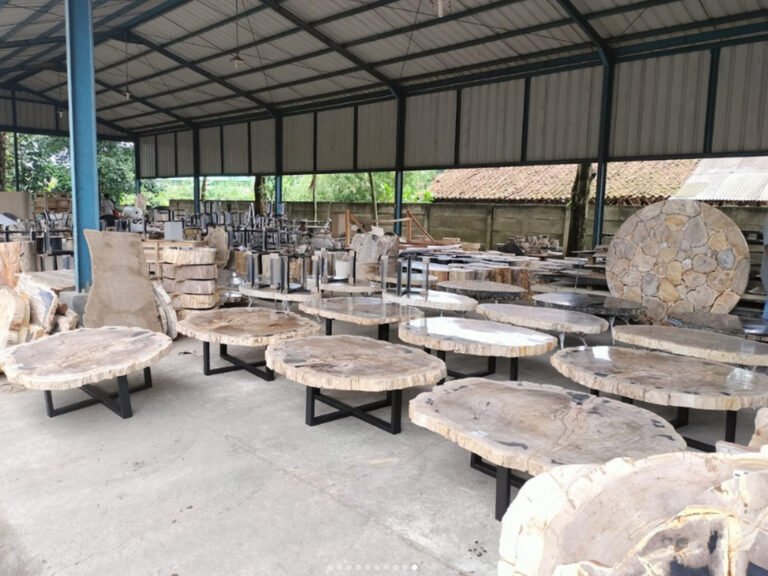
For interior designers, luxury homeowners, and furniture collectors, a petrified wood table is more than just a piece of furniture; it is a geological masterpiece. Because each piece is unique, formed over millions of years, the market for these items does not follow standard mass-production pricing. When researching petrified wood table prices, buyers often find a wide spectrum of costs, which can be confusing without the right context regarding what constitutes value.
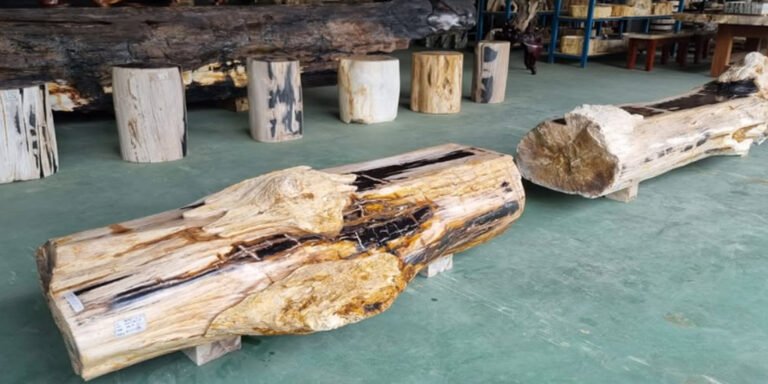
At Java Petrifiedwood, we believe transparency is key to a successful acquisition. Understanding that these tables are essentially remnants of ancient forests turned into stone helps in appreciating why the price tags vary significantly based on specific physical characteristics.
Key Factors Influencing Price
Several variables determine the final cost of a petrified wood piece. Unlike commercial timber, where volume and species dictate price, fossilized wood is valued primarily for its rarity and aesthetic preservation.
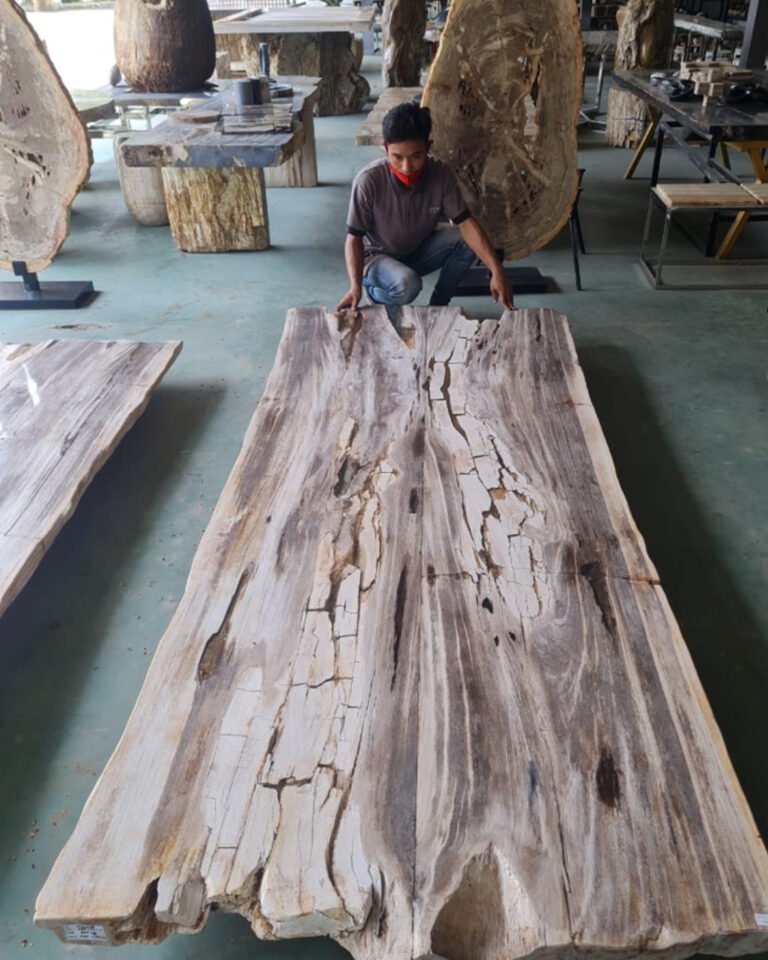
- Size and Thickness: Larger slabs, particularly those without cracks or structural repairs, are significantly rarer and thus command higher prices. The thickness of the slab also impacts weight and durability, influencing shipping costs.
- Color and Pattern Intensity: Rare mineral inclusions that produce vibrant blues, deep reds, or multi-color patterns are highly sought after. High-contrast patterns generally increase the market value.
- Polishing and Finish Quality: The skill involved in cutting and polishing the fossilized surface is immense. A professional finish that brings out the glassy, mirror-like quality of the stone adds substantial value to the table. For more on this, read about how petrified wood is cut, polished, and finished to understand the craftsmanship involved.
- Integrity and Structural Condition: While natural character is desirable, major fissures or artificial fillings can influence grading. It is helpful to understand petrified wood quality grades explained before making a final purchasing decision.
The Hidden Costs of Sourcing and Logistics
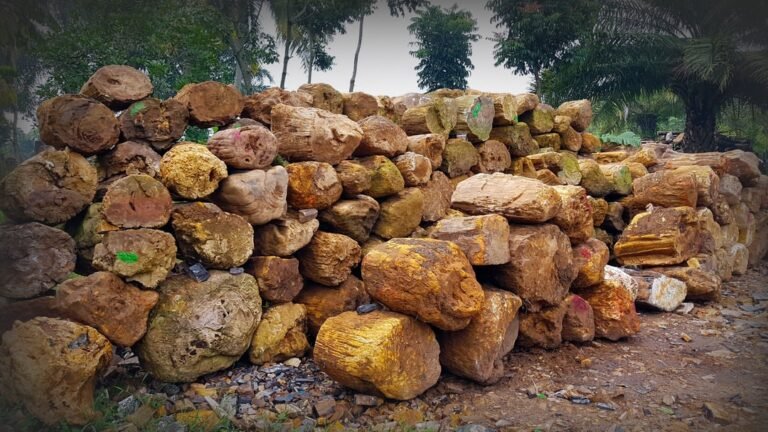
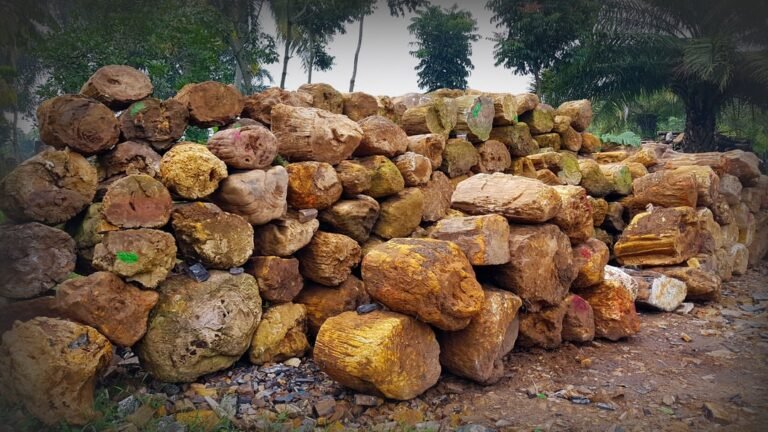
When you see a retail price for a petrified wood table, you are paying for more than just the raw material. The journey from the Indonesian site to your location involves complex steps, including specialized excavation, careful transportation to a workshop, and expert stabilization. Furthermore, exporting heavy, fragile stone furniture requires professional packaging and crating to ensure the item arrives in pristine condition. These logistics play a critical role in the final investment cost of the piece.
Comparing Value vs. Price
It is important to remember that petrified wood is a finite resource. Because the supply is limited by the natural occurrences of the geological past, these tables often function as investments rather than disposable furniture. High-quality pieces, especially those with rare colors or extraordinary grain preservation, often appreciate in value over time. If you are comparing options, consider how petrified wood value: size, color, pattern, and density play a role in your long-term satisfaction with the product.
Navigating the Market
To avoid overpaying, work directly with reputable suppliers who can provide documentation on the origin and processing of the stone. Avoid “too-good-to-be-true” pricing, as this often indicates inferior quality, poor stabilization, or even artificial resin-heavy imitations that lack the genuine density and weight of real fossilized wood.
If you are looking for a centerpiece that will last for generations, focusing on the quality of the raw stone and the expertise of the artisan will serve you better than hunting for the lowest price. Java Petrifiedwood provides authentic pieces that meet international quality standards. Contact us today if you have specific requirements for your next luxury project.