How to Identify Authentic Indonesian Petrified Wood
The Beauty and Value of Authentic Indonesian Petrified Wood
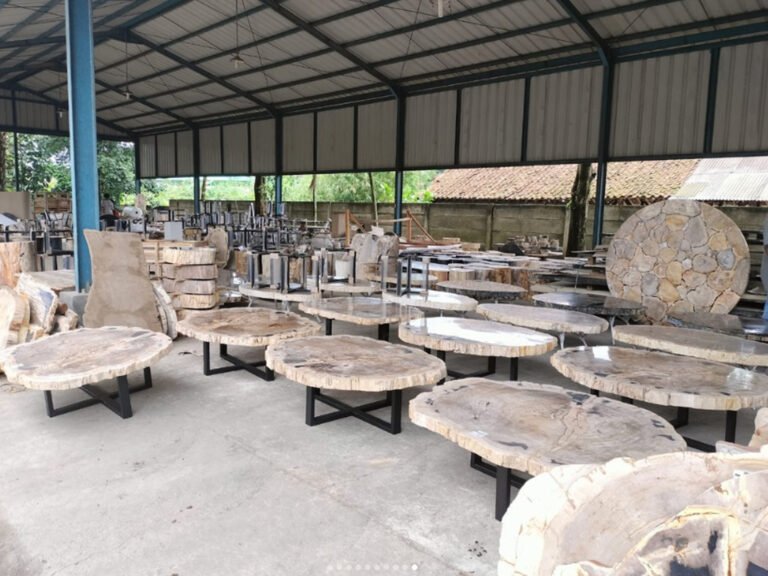
Indonesian petrified wood is highly sought after by collectors, interior designers, and luxury furniture enthusiasts worldwide. Because of its unique geological formation, which involves millions of years of mineral replacement, every piece tells a story of ancient ecosystems. However, as demand grows, so does the importance of knowing how to identify authentic Indonesian petrified wood from imitation products. Understanding what makes these pieces genuine is the first step toward making a sound investment for your home or business.
Visual Inspection: The Tell-Tale Signs of Nature
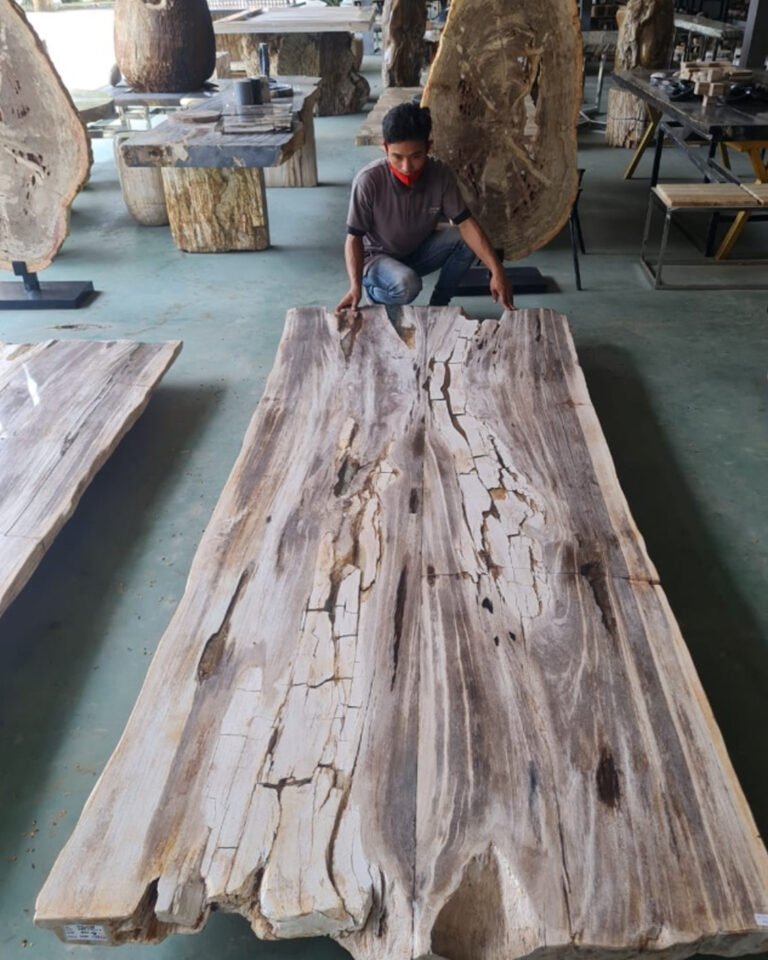
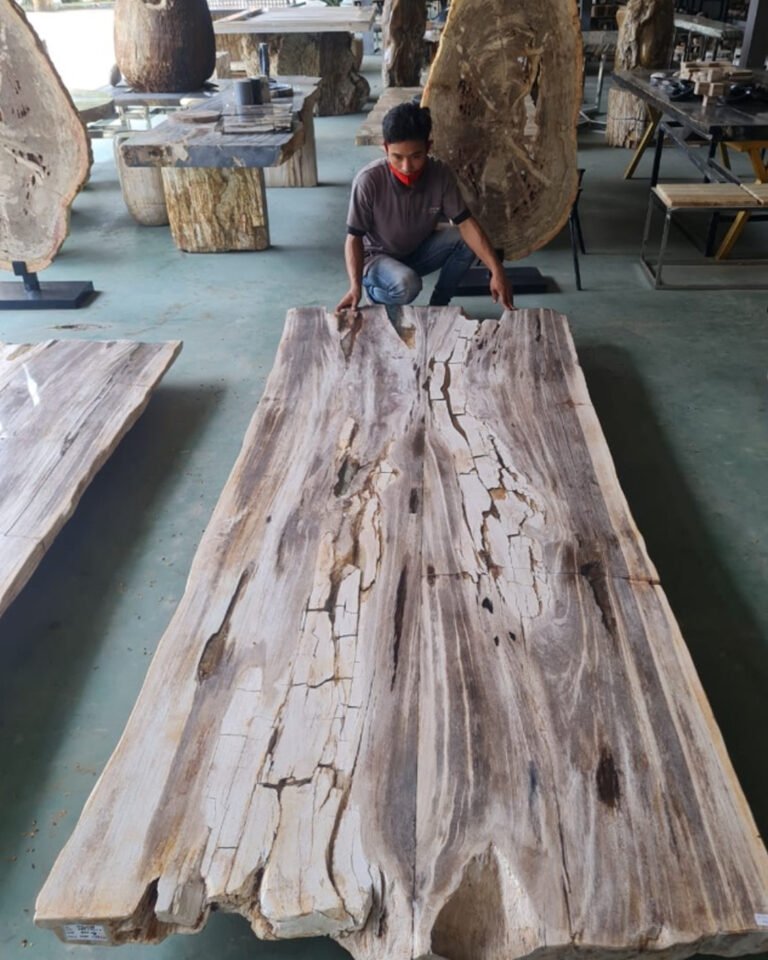
The most immediate way to assess authenticity is through visual inspection. Genuine petrified wood, particularly from Indonesia, retains the original structure of the prehistoric tree. When you examine a high-quality piece, you should look for distinct growth rings, bark textures, and in some cases, the presence of natural grain patterns that mimic living wood. If a piece looks too uniform or perfectly repetitive, it may be a cast or a synthetic material rather than true fossilized wood.
Furthermore, authentic pieces often contain natural characteristics that would be difficult to reproduce artificially. For instance, natural cracks in petrified wood are actually a sign of age and geological pressure. While some buyers might initially view these as flaws, they are often the best indicators that you are dealing with a real, ancient specimen rather than a mass-produced replica.
The Weight and Density Test
One of the most reliable ways to differentiate stone from resin or wood is by evaluating its mass. Petrified wood is essentially stone—silica-rich minerals have replaced the organic cells—which makes it remarkably heavy. If you pick up a piece of authentic petrified wood, it should feel significantly denser and heavier than a similar-sized piece of regular timber. In many cases, the density of petrified wood is a direct result of the mineral replacement process, which fills every cellular void with minerals like quartz, chalcedony, or agate.
Analyzing Inclusions and Minerals
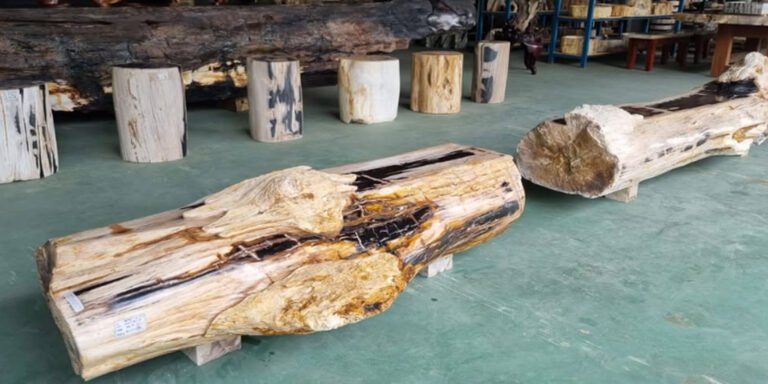
Indonesia is famous for its diverse mineral content, which gives its petrified wood a vibrant array of colors. Authentic specimens often feature pockets of crystalline structures, geodes, or unique color transitions caused by various minerals. If you find a piece that has interesting knots and inclusions, these are typically markers of a genuine transformation process. Be wary of pieces that have a uniform, painted-on appearance; natural fossilization results in complex, multi-layered color distributions that are organic in nature.
Summary Checklist for Buyers
To help you navigate the sourcing process, keep this checklist in mind when evaluating potential pieces:
- Weight: Does it feel like a heavy, cold piece of stone?
- Structure: Can you see clear, irregular tree rings or bark patterns?
- Imperfections: Are there natural voids, mineral inclusions, or crystalline formations?
- Temperature: Authentic petrified wood feels cool to the touch and takes longer to warm up compared to plastic or treated wood products.
Trusting Professional Sources
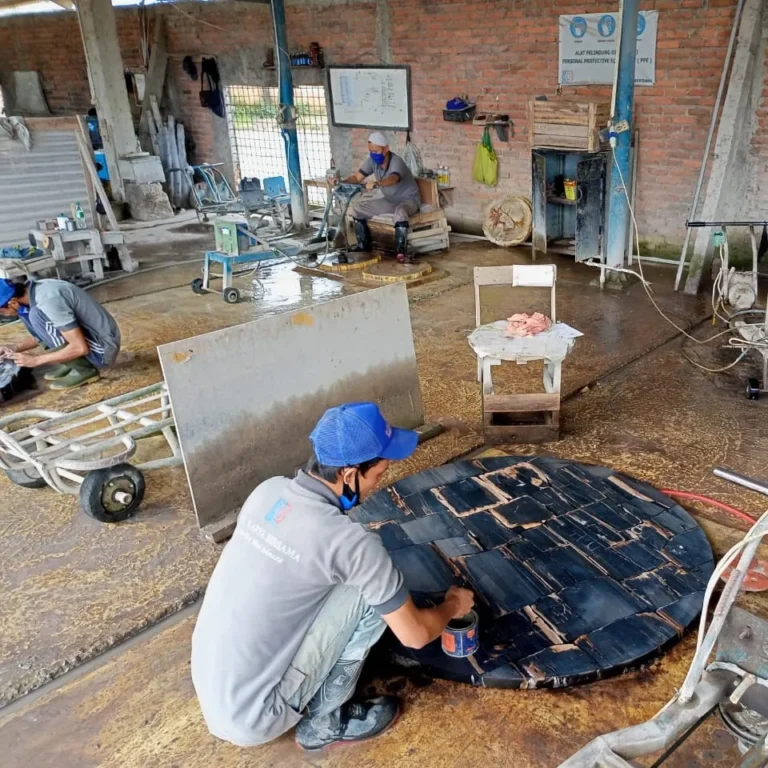
While DIY identification is useful, sourcing your petrified wood from established suppliers is the most effective way to guarantee authenticity. Reputable manufacturers provide transparency regarding the origin of their materials and the processes involved in preparing the wood for the market. At Java Petrifiedwood, we specialize in curating and processing authentic Indonesian specimens, ensuring that each piece meets high standards for both aesthetic beauty and structural integrity.
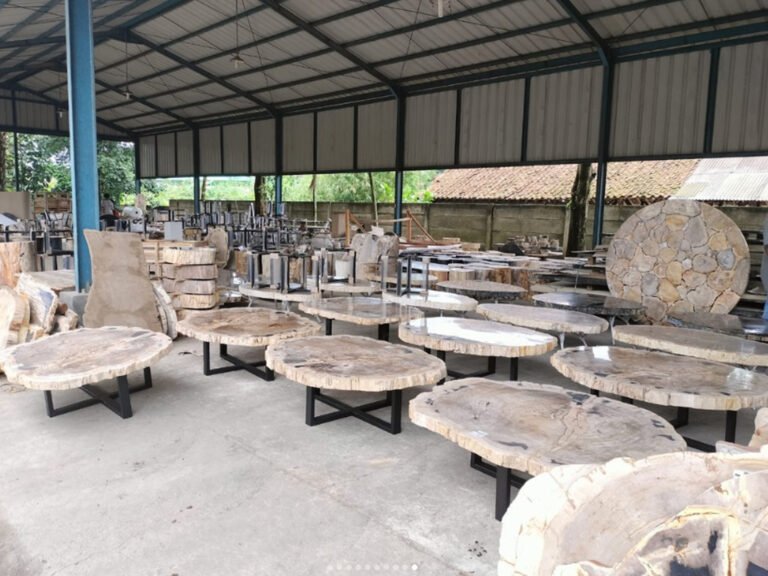
If you are looking to elevate your space with a timeless piece of natural history, explore our collection of luxury furniture and decorative items. From statement tables to unique sculptures, our team is dedicated to providing high-quality, authentic products that reflect the natural wonders of Indonesia. Contact us today to learn more about our sourcing process or to find the perfect piece for your next project.