
Yellow Petrified Wood from Indonesia: Characteristics and Uses
The Allure of Yellow Petrified Wood from Indonesia
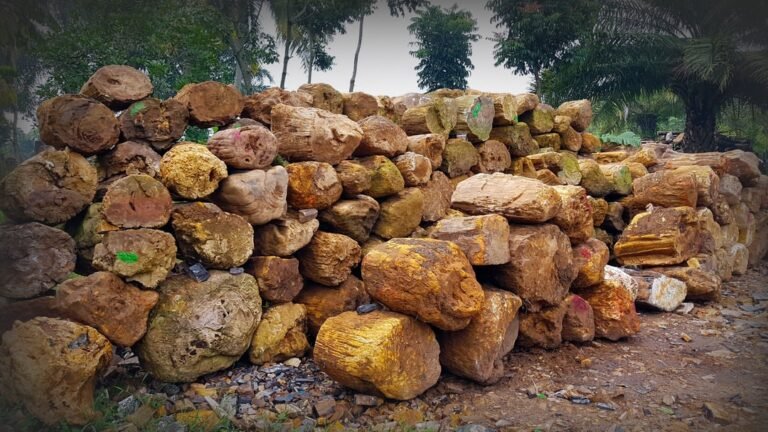
Indonesia is globally recognized as a premier source of high-quality fossilized wood, and among the diverse spectrum of colors found in these ancient specimens, yellow stands out for its brightness and rarity. While many collectors focus on neutral tones, yellow petrified wood from Indonesia offers a vibrant, warm aesthetic that can transform any space into a sanctuary of natural beauty.
This striking coloration is not merely a surface finish; it is the result of geological processes that have spanned millions of years. Understanding what makes these pieces unique helps buyers and designers appreciate the craftsmanship required to turn raw fossils into functional art pieces.
Geological Origin and Coloration
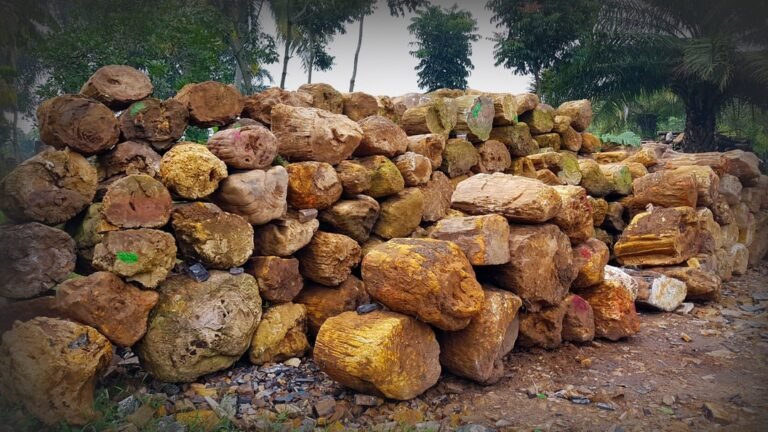
The journey from a living tree to a stone fossil is a fascinating process. The vibrant yellow hues found in many Indonesian specimens are primarily caused by the presence of specific minerals, such as iron oxides or sulfur, which infiltrate the cell structure of the wood during the permineralization process. As discussed in our guide on what minerals are found in Indonesian petrified wood, the specific mineral makeup dictates the final color palette of the specimen.
Because Indonesia has a rich history of volcanic activity, the soil composition in these ancient forest regions is incredibly diverse. This diversity explains why some areas yield deep, dark specimens while others produce these rare, golden-yellow variants. You can learn more about how this environment shaped these treasures in our article on how volcanic activity helped create Indonesian petrified wood.
Key Characteristics of Yellow Petrified Wood
When selecting yellow petrified wood, it is important to understand its physical properties and visual traits:
- Color Intensity: The yellow can range from soft, buttery cream tones to deep, golden-amber hues.
- Grain Visibility: High-quality specimens often retain the intricate “wood grain” patterns, which are highlighted by the contrast of the yellow mineral deposits.
- Hardness and Durability: Like all petrified wood, these pieces are essentially silica-rich stone (quartz), making them extremely hard, scratch-resistant, and suitable for long-term use in high-traffic areas.
- Uniqueness: No two pieces are ever identical, as the mineralization process occurs differently depending on the specific burial conditions of the log.
Applications in Interior Design
The warmth of yellow-toned petrified wood makes it an ideal choice for interior design, particularly in spaces where designers want to create an inviting, natural atmosphere. Whether used as a standalone sculpture or as part of a larger furniture piece, its impact is undeniable.
Luxury Furniture
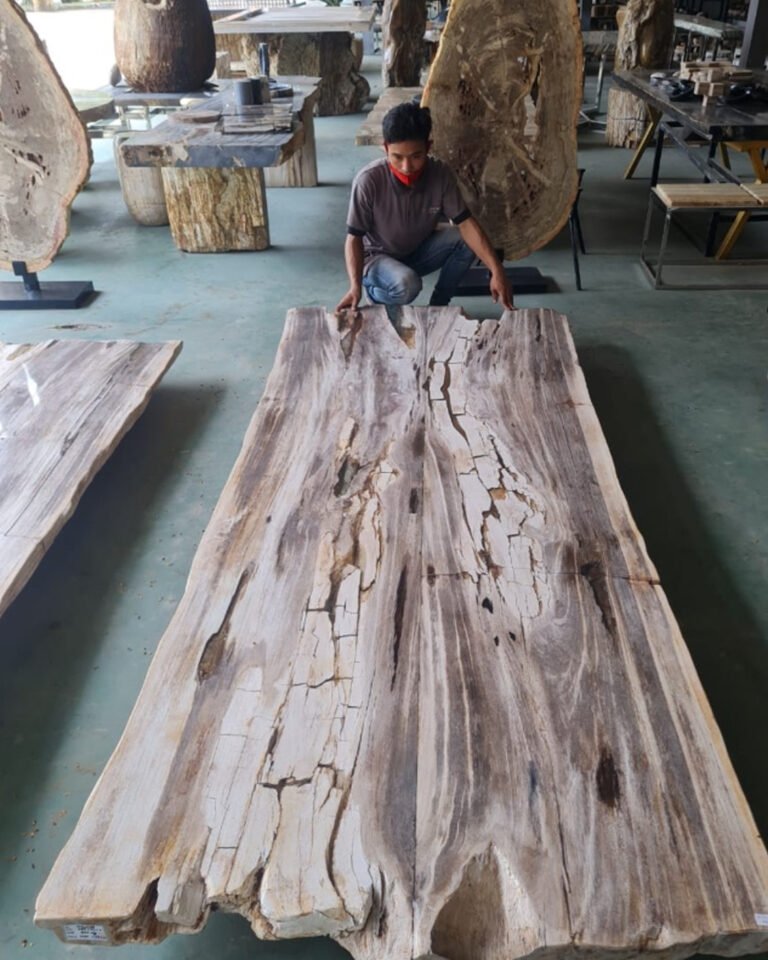
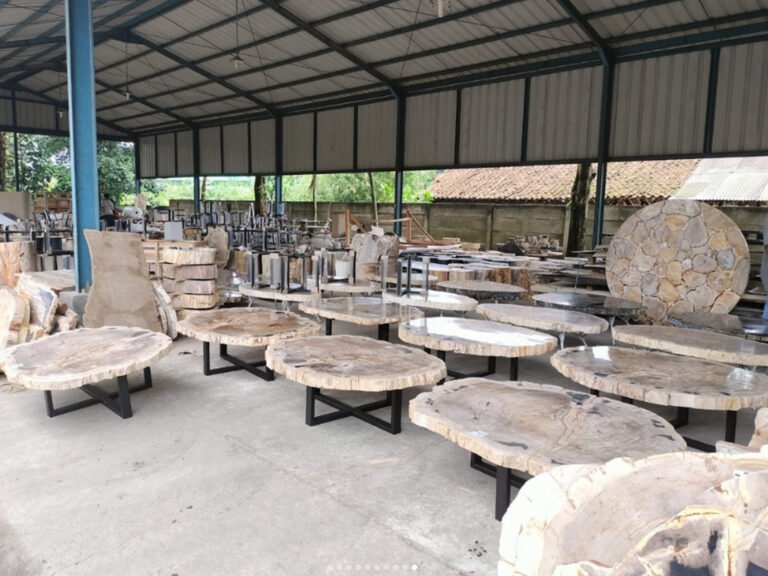
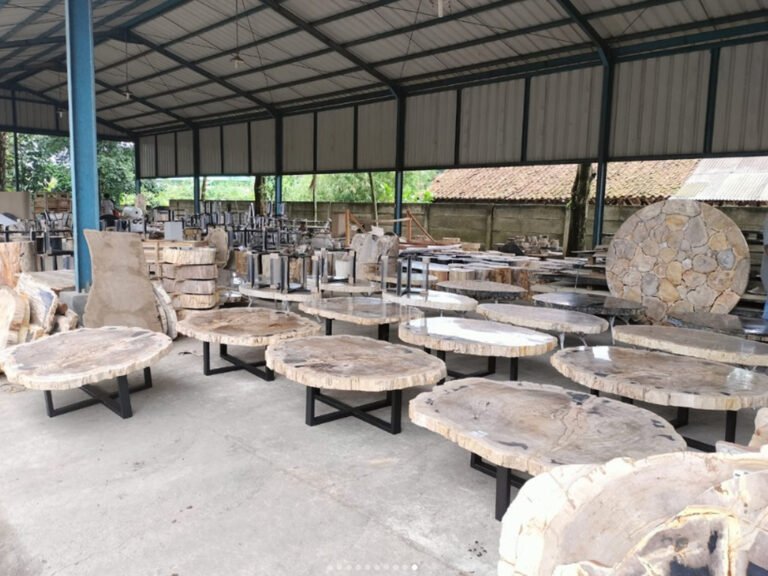
Yellow petrified wood slabs are frequently used to create luxury coffee tables, dining tables, or side tables. The bright color provides a focal point that works exceptionally well in modern, minimalist homes by adding a splash of organic color. As outlined in our article on the best petrified wood coffee table designs, selecting the right base and finish can significantly enhance the stone’s natural radiance.
Home Decor and Accents
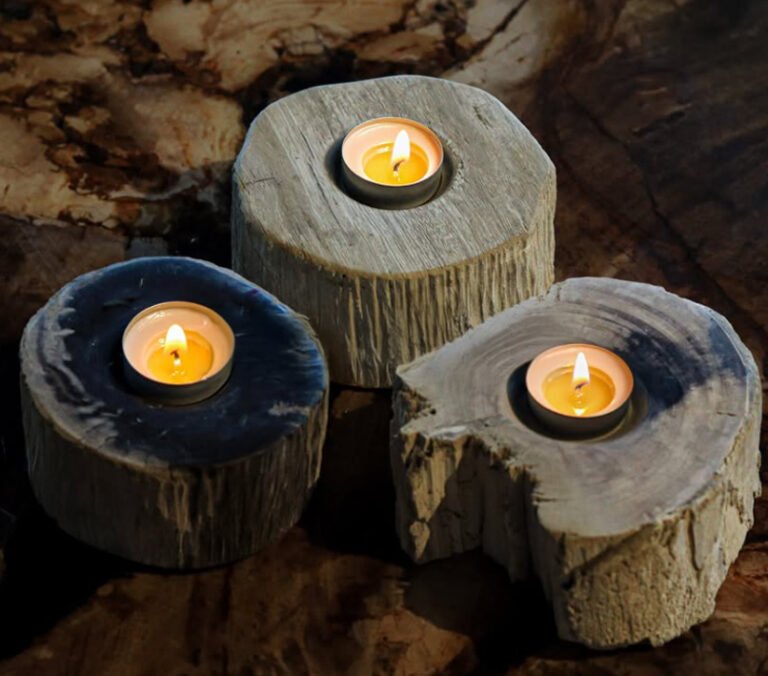
For those looking for smaller investments, yellow fossilized wood pieces are perfect for decor. Polished bookends, candle holders, and decorative bowls allow homeowners to incorporate this ancient material into their existing decor scheme without committing to a large furniture piece.
Maintenance and Care
Maintaining the luster of yellow petrified wood is relatively simple due to its stone-like composition. Regular dusting with a soft cloth and occasional wiping with a damp, non-abrasive cloth is usually sufficient. Avoid using harsh chemical cleaners, as they may dull the polish over time. If a spill occurs, clean it promptly to prevent staining, although the non-porous nature of high-quality polished petrified wood makes it quite resistant to liquid absorption.
Partnering with Experienced Suppliers
Sourcing high-quality yellow petrified wood requires finding an experienced partner who understands the material’s structural integrity. Java Petrifiedwood prides itself on selecting only the finest specimens for our clients. We ensure that every piece is meticulously processed and finished to highlight its inherent color and fossil patterns, providing international buyers with products that are both stunning and structurally sound.
Frequently Asked Questions
Is yellow petrified wood naturally occurring?
Yes, the yellow color is a natural result of the mineral replacement process where specific elements like iron and sulfur interact with the wood structure during fossilization.
Is yellow petrified wood more expensive than other colors?
Rarity can influence price. While common colors like brown or black are more abundant, vibrant yellow or multi-colored specimens that exhibit clear, intricate grain are often sought after by collectors, which can impact their market value.
Can I use yellow petrified wood outdoors?
Yes, petrified wood is highly durable and weather-resistant, making it an excellent choice for outdoor landscaping, provided it is properly finished and maintained.
How do I know if the yellow color is authentic?
Authentic petrified wood displays complex, organic patterns and transitions in color. If the color looks perfectly uniform or painted on, it may not be genuine. Always source from reputable exporters who can provide information on the material’s origins.
Ready to add the warm, golden glow of Indonesian yellow petrified wood to your collection or commercial project? Contact Java Petrifiedwood today to discuss our current inventory and learn how we can assist you with your sourcing needs.